

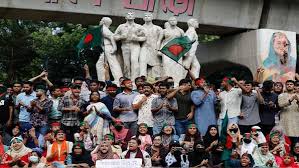
 A report by the Council on Foreign Relations (CFR) argues that recent developments in Bangladesh illustrate a broader global pattern: Gen-Z-led protest movements are struggling to convert street power into electoral or policy success. Writing for CFR, senior fellow Joshua Kurlantzick cited Bangladesh as a key example. The 2024 student-led protests that forced former Prime Minister Sheikh Hasina from office were among the first major Gen-Z protest successes in Asia. The movement inspired similar demonstrations in countries such as Nepal and Indonesia and was seen as part of a wider global wave of youth-driven political activism reaching parts of Africa and the Caribbean. However, Kurlantzick notes that while Gen-Z protests have proliferated, they have largely failed to translate momentum into electoral victories or concrete policymaking gains. In Bangladesh’s recent election, the biggest winner was not the youth-led reform movement but the Bangladesh Nationalist Party (BNP), one half of the country’s long-dominant political duopoly. The BNP secured a landslide victory, while the National Citizen Party (NCP), formed by leaders of the 2024 protests, won only six of the 30 seats it contested—an outcome Kurlantzick described as weak. The vote, he wrote, reflects widespread public support for major constitutional reforms aimed at strengthening democracy, expanding economic and political opportunity, and tackling corruption. The key question now is whether the BNP will implement these reforms or perpetuate entrenched political patterns. If it fails to deliver change, Bangladesh could remain stuck in longstanding cycles of political dysfunction. Kurlantzick also noted that Jamaat-e-Islami finished second after attempting to rebrand itself, despite past associations with political violence. Although Election Day was largely free and fair, incidents of violence and political killings occurred in the lead-up to the polls, underscoring persistent instability in Bangladeshi politics.
B’desh verdict a setback for Gen-Z political movement
 By Agency
🌐 Translate ▾
- Tamil
- Hindi
- Malayalam
- Kannada
- Telugu
Subscribe
Login
0 Comments
Oldest