


Kathmandu, Apr 23:
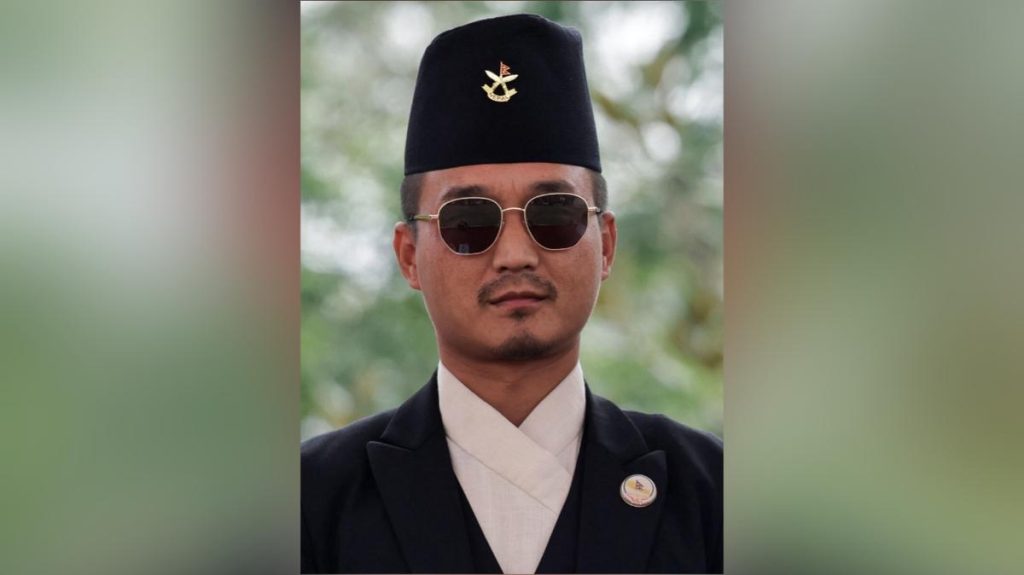
Nepal’s Home Minister Sudan Gurung resigned on Wednesday, just over three weeks after taking oath, citing ethical concerns and the need for an impartial investigation into allegations related to his financial conduct. His resignation comes amid growing scrutiny over his alleged business links and share transactions with a controversial businessman.
In a social media post, Gurung said he stepped down to ensure transparency and avoid any conflict of interest while in office. He emphasized that “ethics is greater than position” and said public trust and accountability must remain central to leadership. He also referenced the recent Gen Z movement in Nepal, stating that it had reinforced demands for good governance and clean politics.
Gurung became a prominent figure shortly after assuming office on March 27, when he ordered the detention of former Prime Minister K P Sharma Oli and then Home Minister Ramesh Lekhak within 24 hours of taking charge. His swift actions drew widespread attention and controversy.
Gurung had earlier been active in the September 2025 Gen Z protests, which were driven by anti-corruption demands and opposition to restrictions on social media. He was seen participating in demonstrations, including distributing water to protesters, and later played a role in political negotiations involving key figures such as Kathmandu Mayor and Prime Minister Balendra Shah and Rastriya Swatantra Party (RSP) leader Ravi Lamichhane.
Following Gurung’s resignation, Prime Minister Shah has taken over the Home Ministry portfolio. The government, led by the RSP, came to power after the Gen Z protests that toppled the previous Oli-led coalition. Those protests resulted in 76 deaths and widespread destruction worth an estimated NRs 84.45 billion.
The current administration has already taken disciplinary actions against ministers accused of misconduct, reflecting its stated focus on accountability and reform. Gurung’s resignation adds to ongoing political turbulence as the government continues to face pressure over governance, transparency, and post-protest reforms.