
Close Menu
  • HOME
  • TAMIL NADU
  • CHENNAI
  • NATION
  • WORLD
  • BUSINESS
  • SPORTS
  • ENTERTAINMENT
  • EDIT
  • COLUMNS
    • POINTBLANK
    • WHY TN IS FORBIDDEN LAND
  • MIXED BAG
    • CLIMATE & WEATHER
    • EDUCATION
    • HEALTH
    • JOBS
    • LEGAL
    • LIFESTYLE
    • SCIENCE
    • TECHNOLOGY
  • E-PAPER
Facebook X (Twitter) Instagram Threads YouTube
  • About us
  • Contact Us
  • Privacy Policy
  • Terms and Conditions
Thursday, July 30, 2026
Facebook X (Twitter) Instagram
News Today | First with the newsNews Today | First with the news
Login / Register Subscribe
  • HOME
  • TAMIL NADU
  • CHENNAI
  • NATION
  • WORLD
  • BUSINESS
  • SPORTS
  • ENTERTAINMENT
  • EDIT
  • COLUMNS
    • POINTBLANK
    • WHY TN IS FORBIDDEN LAND
  • MIXED BAG
    • CLIMATE & WEATHER
    • EDUCATION
    • HEALTH
    • JOBS
    • LEGAL
    • LIFESTYLE
    • SCIENCE
    • TECHNOLOGY
News Today | First with the newsNews Today | First with the news
  • E-PAPER
  • POINTBLANK
  • PRIME PULSE
  • TN ECHOES
  • FIFA 2026
  • DEEP DIVE
  • GLOCAL
  • COLD FACTS
  • LEADING LIGHTS
  • CRYSTAL GAZING
  • PATTERNS
Home » India’s economy now less vulnerable to monsoon shocks: Report
NATION

India’s economy now less vulnerable to monsoon shocks: Report

India’s economy has become less dependent on monsoon rains, with expanding irrigation networks and changing cropping patterns over the last decade insulating agriculture and rural demand from the kind of shocks seen in earlier years, according to a report Historically, deficient monsoons often translated into sharp declines in agricultural output and rural incomes.
AgencyBy AgencyJuly 8, 2026No Comments
🌐 Translate ▾
  • Tamil
  • Hindi
  • Malayalam
  • Kannada
  • Telugu
Share WhatsApp Facebook Twitter LinkedIn Pinterest Telegram Copy Link Email


New Delhi, July 8:

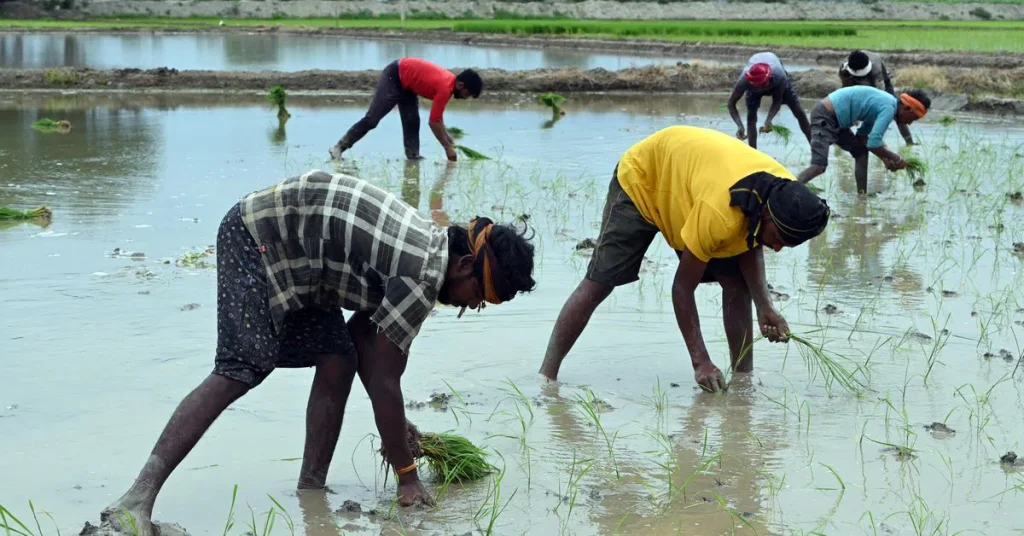
India’s economy has become less dependent on monsoon rains, with expanding irrigation networks and changing cropping patterns over the last decade insulating agriculture and rural demand from the kind of shocks seen in earlier years, according to a report Historically, deficient monsoons often translated into sharp declines in agricultural output and rural incomes.

In 2002, for instance, rainfall fell to 81 per cent of the long-period average, leading to a steep drop in foodgrain production and a severe contraction in rural disposable incomes, the report by brokerage and research analyst firm Bernstein said. However, that correlation has weakened over the past decade. India continued to register rising foodgrain production despite below-normal monsoons in 2018-19 and 2023-24, it added.

The shift has largely been driven by greater access to irrigation and a move toward year-round farming. “Monsoons aren’t impacting India the way they used to, and the changing dynamics warrant a reset in how we perceive rainfall and its effects,” the Bernstein report said.

It highlights that India’s irrigated area now covers nearly 60 per cent of total cultivated land, up from around 42 per cent in the early 2000s. Irrigation coverage in major agricultural states has increased to around 67 per cent from 54 per cent in 2009, with tubewells and canals becoming important buffers against rainfall deficiencies.

At the same time, India’s dependence on the monsoon-centric Kharif season has reduced sharply. Kharif crops, which accounted for nearly 60 per cent of total foodgrain production until the 1990s, contributed only 47 per cent of total output in 2025-26.

Rabi crops and a relatively new summer sowing season running from February to May have steadily gained importance, the report observes. It states that these structural changes mean poor monsoons are no longer an immediate food-security threat and are unlikely to devastate rural demand in the way they once did.

“While low rainfall is still harmful, it is unlikely to kill rural demand like it had in the past,” the Bernstein report states. The impact of deficient monsoons is now likely to be more nuanced, affecting specific pockets of the economy rather than triggering broad-based distress.

Food inflation risks, for instance, are expected to be more contained and concentrated in select categories such as pulses and vegetables rather than causing a widespread surge in prices. The brokerage noted that a record wheat harvest of around 121 million tonnes and improved irrigation coverage in major agricultural states, including Punjab, Haryana and Uttar Pradesh, should help cushion the impact of delayed rainfall.

Similarly, concerns around delayed Kharif sowing may be exaggerated. Although only around 8 per cent of the normally cultivated area had been sown by mid-June, this is not significantly different from historical trends, as the bulk of Kharif sowing typically takes place in the second week of July, the report points out.

However, the report points out that poor rainfall does pose a longer-term macroeconomic challenge through groundwater depletion and rising electricity demand. Reservoir levels have already fallen to levels that are among the lowest in recent years. Lower rainfall could intensify dependence on groundwater and electric-powered irrigation systems, pushing up power demand from the farm sector and further straining water resources.

India’s economy now less vulnerable to monsoon shocks: Report
Share. WhatsApp Facebook Twitter Telegram Copy Link Email
Previous ArticleUS heatwave kills dozens during 250th anniv weekend
Next Article Sinner sinks Struff to reach Wimbledon semifinals

Related Posts

NATION

Cong functionary stabbed to death in MP’s Rewa

July 30, 2026
NATION

Bihar man booked despite being in Russia for 4 months

July 30, 2026
NATION

Rahul wants HM sacked over police action against protesters

July 30, 2026
NATION

Ensure viral kumbh mela girl not handed over to MP police: Kerala HC to govt

July 30, 2026
NATION

SC grants bail to 2 Indian Mujahideen ‘operatives’

July 30, 2026
NATION

Rajya Sabha passes bill to criminalise intentional disruption of Vande Mataram singing

July 29, 2026
0 0 votes
Article Rating
Subscribe
Login
Notify of
guest
guest
0 Comments
Oldest
Newest Most Voted
Latest Posts

E-paper 30 July 2026

NT BureauJuly 30, 20260

10 injured, seven critical after gas cylinder explodes in Thanjavur

NT BureauJuly 30, 20260

At least 10 people, including a 15-year-old girl, sustained severe burn injuries after an LPG cooking gas cylinder exploded on Thursday while locals were attempting to extinguish a house fire at Chinna Ammankudi in Thanjavur district, police said.

Cauvery row: K’taka CM invites Vijay to inspect drought-hit reservoirs

NT BureauJuly 30, 20260

The Cauvery water dispute has taken a fresh turn as Karnataka Chief Minister D.K. Shivakumar invited Tamil Nadu Chief Minister C. Joseph Vijay to personally visit the Cauvery reservoir regions in Karnataka to assess the severe water scarcity caused by an extreme drought.

Minister Ramesh announces key reforms in temple tender system

NT BureauJuly 30, 20260

In a significant move aimed at improving transparency and efficiency, Minister Ramesh has announced a comprehensive overhaul of the tender system governing temple operations across Tamil Nadu.

OPS denies rumours of joining TVK

NT BureauJuly 30, 20260

Former Chief Minister and current MLA O. Panneerselvam has dismissed reports claiming that he would resign his MLA post and join the TVK party.

About
About
Facebook X (Twitter) Instagram RSS
Latest Posts
  • E-paper 30 July 2026
  • 10 injured, seven critical after gas cylinder explodes in Thanjavur
  • Cauvery row: K’taka CM invites Vijay to inspect drought-hit reservoirs
  • Minister Ramesh announces key reforms in temple tender system
  • OPS denies rumours of joining TVK
© 2026 NewsTodayNet.com. All Rights Reserved. Designed & Maintained by Gifted Technologies.
  • About us
  • Contact Us
  • Privacy Policy
  • Terms and Conditions

Type above and press Enter to search. Press Esc to cancel.

wpDiscuz
Ad Blocker Enabled!
Ad Blocker Enabled!
Our website is made possible by displaying online advertisements to our visitors. Please support us by disabling your Ad Blocker.

Sign In or Register

Welcome Back!

Login to your account below.

Prove your humanity: 3   +   8   =  
Lost password?