


Chennai, July 11:
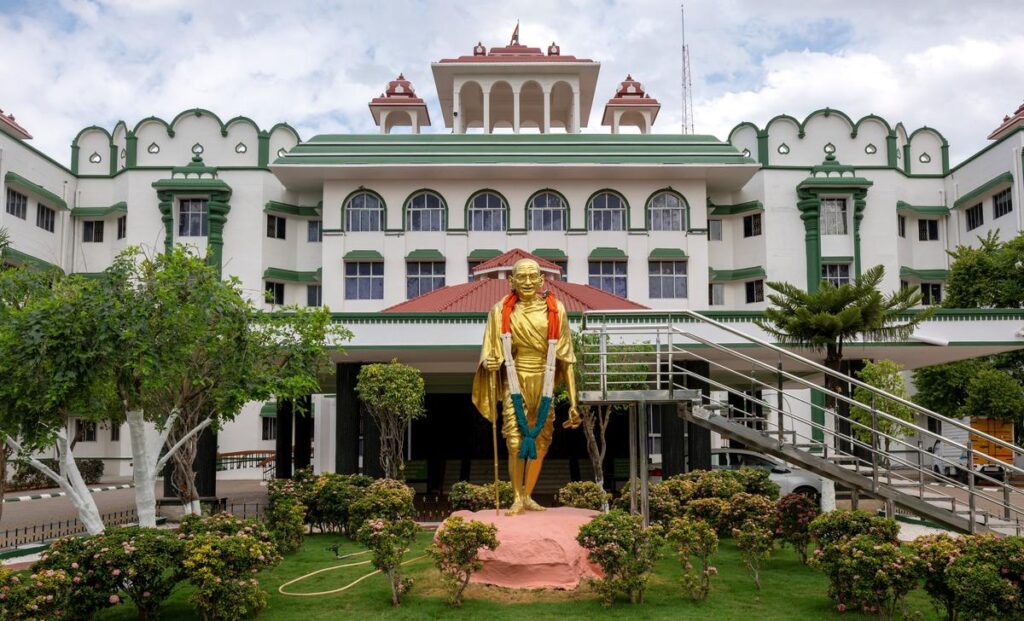
The Madurai Bench of the Madras High Court on Friday permitted the Tamil Nadu government to issue 32 appointment orders to families of victims of the Karur roadshow stampede.
However, the court clarified that these appointments would be temporary and subject to judicial review.
The bench, comprising Justice C.V. Karthikeyan and Justice R. Sakthivel, observed that it would not be appropriate to interfere with a government policy decision.
It allowed the State to proceed with its public function to distribute appointment letters to the victims’ families.
At the same time, the court imposed a condition that the appointments would remain provisional until further legal examination.
It directed that the case be heard before the end of the month and noted that the review would take place before the appointees receive their first salary.
The bench also suo motu impleaded the Member Secretary of the Tamil Nadu Public Service Commission (TNPSC) and directed submission of a report on compassionate appointment guidelines and whether they were followed in this case.
The order came on a petition filed by Madurai-based advocate Theeran Thirumurugan, who challenged the decision of the government led by Chief Minister Vijay and his Tamilaga Vettri Kazhagam (TVK) to provide jobs to families of the 41 people who died in the September stampede.
The petitioner sought to restrain authorities, including the Chief Secretary and other senior officials, from issuing appointment orders until proceedings related to the tragedy pending before the Supreme Court reach finality.
He argued that proceeding without a clear policy could lead to legal and administrative complications.
During the hearing, the State cited a precedent where jobs were given to families of victims of the Thoothukudi police firing.
However, the court noted that the two cases are not comparable, as the Thoothukudi incident involved alleged police excess, unlike the Karur stampede.
The matter will be heard again later this month, and the appointments will remain subject to the court’s final decision.