


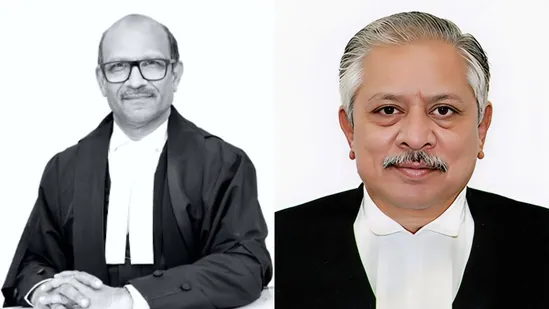
New Delhi, Aug. 27:
The Supreme Court has observed that allegations against a judge cannot automatically be treated as established findings while hearing a plea seeking the removal of the Acting Chief Justice of the Rajasthan High Court.
Chief Justice of India B R Gavai made the observation during the hearing, underlining the distinction between allegations and conclusions reached after a proper legal or institutional process.
The matter relates to a petition seeking action against the Rajasthan High Court’s Acting Chief Justice. The petitioner had raised allegations and sought intervention by the Supreme Court.
During the hearing, the court questioned the basis on which the allegations could be treated as proven without an appropriate inquiry or adjudicatory process.
The Chief Justice’s observation highlighted the importance of due process, particularly in matters involving members of the higher judiciary.
The court indicated that allegations, regardless of their nature, must be examined through established procedures before any conclusion can be drawn.
The hearing also underlined the constitutional safeguards governing the removal or disciplinary process involving judges of constitutional courts.
Judges of High Courts enjoy security of tenure, and their removal is governed by constitutional provisions and a defined parliamentary process.
The Supreme Court’s remarks came against the backdrop of concerns raised in the petition over the conduct and functioning of the Acting Chief Justice.
The court is expected to consider the legal maintainability and merits of the plea in accordance with established judicial procedures.
The case has drawn attention because of the sensitive nature of complaints involving members of the higher judiciary and the balance required between accountability and protection of judicial independence.