


Chennai, Aug 27:
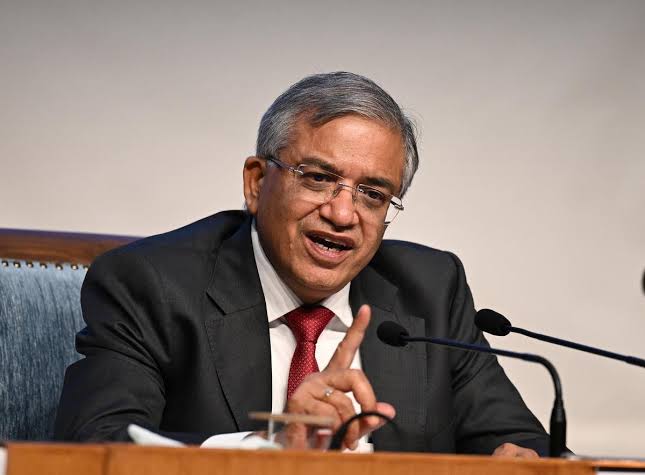
Chief Election Commissioner (CEC) Gyanesh Kumar on Thursday addressed over 1,000 students and educators and interacted with over 500 Booth Level Officers (BLOs)
and termed the role of booth level personnel as the backbone of Indian democracy.
He attended the day long ECI Regional Conference on “ELC and ECINET” held in Chennai and organized by the Election Commission of India in coordination with the Tamil Chief Electoral Officer.
It served as a collaborative platform to advance youth engagement and grassroots electoral preparedness across Tamil Nadu and Puducherry.
Leading the interaction session with 500 BLOs, the CEC highlighted the vital role played by booth-level personnel as the backbone of Indian democracy.
The Commission reviewed on-ground electoral roll updates, door-to-door verification, and the adoption of modern service tools, taking direct feedback from field functionaries.
The day-long conference proceedings focused on around 1,000 delegates, which included future and first-time voters from 38 districts of Tamil Nadu and Puducherry, from 300 schools, 75 colleges, and 25 universities.
In the afternoon session of the conference, Gyanesh delivered the keynote address, urging the youth to champion democratic values, build informed voting habits, and lead
voter literacy through institutional Electoral Literacy Clubs (ELCs). The address was followed by an interactive Q and A session with the participants.
Earlier, during proceedings of the conference, senior ECI officials delivered a series of technical presentations focusing on key electoral initiatives. Ashish Goyal, Director General (Media), addressed the audience on ELC and Voter Education and Awareness, highlighting strategies for scaling institutional voter outreach.
Dr. Seema Khanna, Director General (IT), elaborated on Know Your ECINET App and its role in digital service delivery for both voters and election officials. Providing insights on electoral integrity, Bhanu Prakash Yeturu, Deputy Election Commissioner, presented an Overview of Indian Elections: Trust and Transparency.
Concluding the technical sessions, Apurva Kumar Singh, Deputy Director, outlined the ELC 2.0 framework, focusing on its expanded features and digital governance to strengthen student-led Electoral Literacy Clubs.
Delegates also witnessed live demonstrations of key stages of the electoral process, including the preparation of electoral rolls, voting, and counting. The demonstrations helped students understand how the electoral process works in practice and gave them an opportunity to learn through direct and practical experience.
The delegates also visited interactive exhibitions, which provided further exposure to various aspects of the electoral process and strengthened their understanding of democratic and electoral practices.