


Washington, Sept 17:
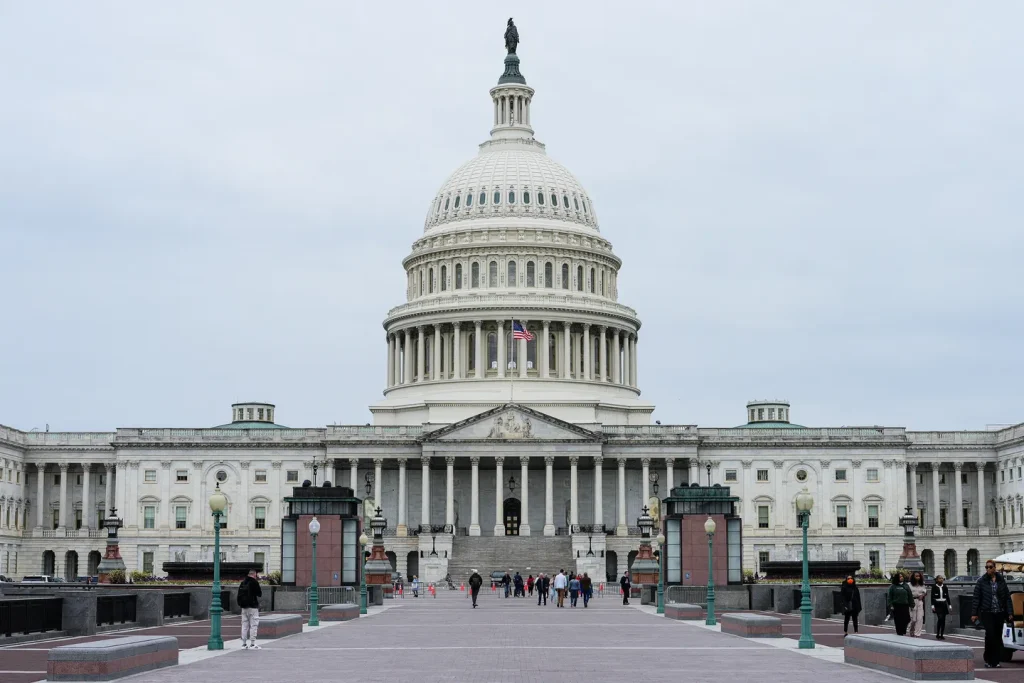
The US House of Representatives has passed a sweeping Russia sanctions bill that would give President Donald Trump authority to impose tariffs of up to 100 per cent on countries that continue to purchase significant quantities of Russian oil and natural gas, potentially including India and China.
The House approved the legislation by 262-159, with a number of Democrats joining most Republicans in supporting the measure. The Senate had previously passed the legislation by an 86-11 vote. The bill now goes to President Trump for consideration.
The legislation, known as the Lindsey O. Graham Sanctioning Russia and Iran Act of 2026, seeks to increase economic pressure on Moscow and Tehran through sanctions targeting Russian officials, financial institutions, the energy sector and other entities. It also includes provisions restricting new US investments in Russia and purchases of Russian sovereign debt.
The tariff provision is significant for India because it would allow the US President to impose or increase tariffs by up to 100 per cent on goods from countries that continue to purchase Russian-origin crude oil or natural gas under specified conditions. However, passage of the bill does not automatically impose a 100 per cent tariff on India; any such tariff would require a separate decision by the President.
India has remained a major buyer of Russian crude, making the provision particularly relevant to its trade relationship with Washington. The potential tariff action also comes as India and the US continue negotiations on a broader bilateral trade agreement.
Supporters of the legislation have argued that stronger economic pressure is necessary to constrain Russia and influence the course of the war in Ukraine. Some Democrats, however, have raised concerns about granting the President wider tariff powers and the possible impact of additional tariffs on consumers.
If signed into law, the legislation would provide the Trump administration with another instrument to pressure countries maintaining significant trade in Russian energy. The actual use and level of any tariffs would depend on subsequent presidential action.