


Chennai, Oct 13:
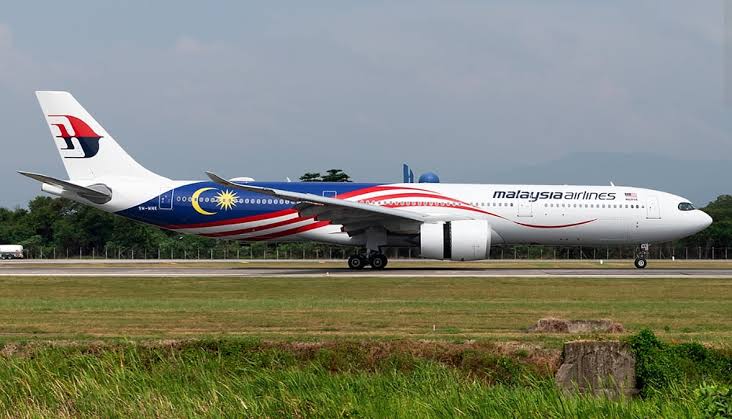
A Malaysia Airlines flight from Chennai to Kuala Lumpur was delayed by more than two hours after the pilot detected insufficient oxygen in the aircraft’s oxygen tank before departure. Following consultations with senior officials and technical personnel, the airline decided to carry only 100 passengers on the flight, leaving 78 passengers to be accommodated on alternative services.
The incident occurred at Chennai International Airport after the aircraft arrived from Kuala Lumpur at 10.35 pm on October 11. The flight was scheduled to depart Chennai at 11.55 pm with 178 passengers and 12 crew members on board. During pre-departure checks, the pilot found that the quantity of oxygen available was insufficient for all 190 people on board and refused to operate the flight under those conditions.
The issue prompted consultations between senior airline officials and technical personnel to determine how the flight could be operated safely. Following the discussions, a decision was taken to limit the number of passengers to 100, in accordance with the available oxygen supply.
The decision led to protests from the remaining 78 passengers, who objected to being denied boarding despite having booked tickets for the flight. Arguments reportedly broke out at the international departure terminal as passengers sought an explanation for the sudden change in travel arrangements.
Airline officials held discussions with the affected passengers and assured them that alternative arrangements would be made to transport them to Malaysia. After the situation was brought under control, the flight departed for Kuala Lumpur at around 2.20 am, more than two hours behind its scheduled departure time, carrying 100 passengers and 12 crew members.
The 78 passengers who were unable to board were accommodated in an airport lounge while alternative travel arrangements were made. They were subsequently sent to Malaysia on flights operated by AirAsia and Malaysia Airlines on the following morning, according to the report.
The incident caused disruption at the airport, particularly for passengers who had planned their onward travel around the original departure schedule. The decision to restrict the number of passengers also raised concerns over the availability of essential safety equipment before an aircraft is cleared for departure.
Oxygen systems are an important component of aircraft safety equipment, particularly in emergencies involving cabin depressurisation. The pilot’s decision not to depart with the full passenger load reflected the need to ensure that the available equipment met the requirements for the flight.
The incident underlines the importance of thorough pre-flight checks and timely resolution of technical issues to minimise disruption to passengers. The immediate priority was to operate the aircraft within safety requirements and make alternative arrangements for those who could not travel on the original service.