


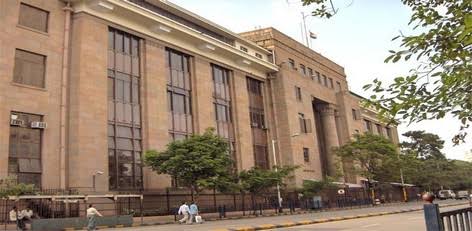

In the bustling city of Chennai, the Reserve Bank of India (RBI) building has become a focal point of attention, not for its architectural grandeur but for the serpentine queues that often snake around its entrance. These long lines have sparked a wave of nostalgia for the demonetization era, as people eagerly await their turn to exchange the now-defunct Rs 2,000 notes. The last day to exchange these notes at banks was October 7, after which they ceased to be legal tender. However, individuals and entities can still exchange and deposit Rs 2,000 notes at the RBI office.
The presence of these persistent queues has left many wondering why they exist. When queried, a customer waiting in line for lower denomination change in exchange for notes had this to say, “Wonder where these people come from. Many middlemen, allegedly in cahoots with a few RBI officials, help exchange these notes for a commission. Surprisingly, even daily-wage labourers can be seen waiting in line to exchange Rs 2,000 notes, raising questions about why they have held onto these notes for so long. What’s more, even those genuinely turning up to exchange a single note are made to wait alongside them, enduring waits of over five hours.”
The customer also remarked that these middlemen charge commissions ranging from Rs 200 to Rs 250 for every Rs 2,000 note and, with the assistance of staff at the counter, easily get them exchanged. This situation is causing frustration among those who follow the rules, as it seems that everyone is turning a blind eye to these practices.
Another significant issue is the RBI’s reluctance to provide Rs 10 and Rs 20 notes as change for larger denomination currency. Instead, they offer change in the form of coins, necessitating individuals to carry bags full of coins in exchange for a Rs 500 note. When customers inquire about the scarcity of currency notes, the reply from the staff is silence.
Interestingly, there are plenty of middlemen outside the RBI building who offer lower denomination notes in exchange for a charge of Rs 50 to Rs 100. They provide bundles of Rs 10, 20, 50, or 100 notes, and the commission varies depending on the time of the year. The question that arises is, where do these middlemen obtain currency notes when the RBI primarily offers coins?
One middleman shed light on the process, stating, “We sell cash by taking money from the RBI or any other bank either by ourselves or through our sources. Then, we take all of that with us and wait for it to be sold throughout the week.”
However, RBI officials vehemently deny these allegations. They claim that security personnel are deployed to discourage such practices, and that the currency issued by the RBI is meant to be circulated at its face value. Nobody should be charging extra, but when such transactions occur on the streets, they have security personnel in place to prevent them.
The situation outside the RBI building in Chennai raises concerns about the transparency and efficiency of the currency exchange process. While some blame middlemen and the alleged involvement of a few RBI officials, others question the RBI’s approach to providing change in coins instead of lower denomination notes. This issue continues to be a source of frustration for those seeking to exchange their old Rs 2,000 notes.