

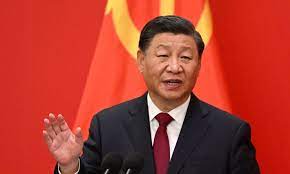
 Throughout 2023, China struggled to emerge from under COVID-19’s shadow, after the Chinese Communist Party (CCP) inexplicably reversed course on its policy of draconian lockdowns at the end of 2022. Nobody really knows how many died in the explosive surge in COVID infections, but the predictive science intelligence company Airfinity estimated the death toll as between 1.3 and 2.1 million. China proved highly efficient at controlling its population during the pandemic, but it could not prevent a grassroots sense of frustration with the authorities from developing. Even messianic Xi Jinping cannot eliminate this discontent with his pithy sayings, promises and remonstrations to “struggle” against “dangerous storms”. Maintaining a COVID-elimination policy far longer than any other country in the world was a major achievement by the CCP, but it was not a viable long-term strategy. Individuals and the economy suffered terribly, and an economic slump made itself felt throughout 2023. Chinese exports are flagging (in June, year-on-year exports had slumped 12.4 per cent), debt is at record levels and the property sector crisis has deepened further. In fact, house sales are just half what they were in December 2020, and 60-80 million apartments lie empty across the nation. Government efforts have not propped up sagging business or consumer confidence either. A foreign investment deficit of USD 11.8 billion occurred from July-September, the first time foreign businesses withdrew more money from China than they invested. Xi’s anti-espionage and national security laws are partly to blame as he creates communist totalitarianism. Youth unemployment is staggering too. Midyear data showed unemployment amongst 16-24-year-olds was 21.3 per cent, double that of four years ago. However, the situation is far worse, for in China a person is considered gainfully employed even if they work only one hour per week! Nor does this figure include young people in rural ar
China in 2023: Xi doubles down on his ‘struggle’
 By Agency
🌐 Translate ▾
- Tamil
- Hindi
- Malayalam
- Kannada
- Telugu
Add A Comment