


Islamabad, June 3:
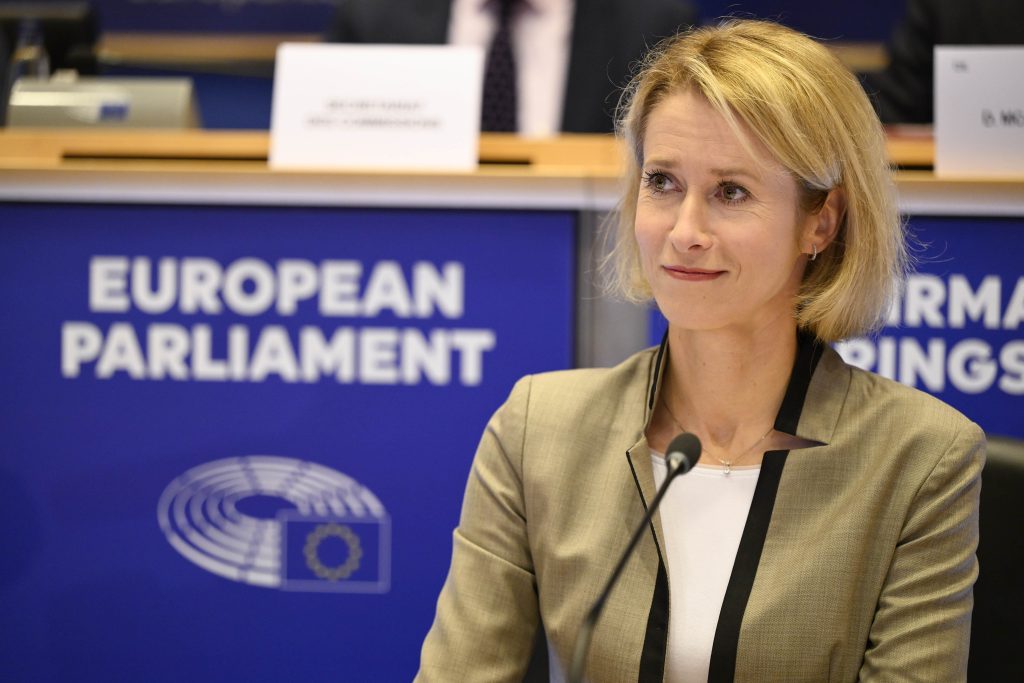
European Union foreign policy chief Kaja Kallas said on Monday that any temporary agreement between the United States and Iran must be followed by broader negotiations addressing Tehran’s nuclear stockpile and other key issues. Speaking in Islamabad after talks with Pakistani Deputy Prime Minister and Foreign Minister Ishaq Dar, Kallas stressed the need for a sustainable and peaceful resolution to tensions in West Asia.
She noted that a fragile diplomatic opening exists to extend the ceasefire between Washington and Tehran and potentially reopen the Strait of Hormuz, a vital global shipping route. Kallas said the European Union stands ready to support a long-term solution through its economic influence, nuclear expertise, relationships with Gulf states and direct engagement with Iran.
Kallas also praised Pakistan’s diplomatic role, describing it as the main mediator between the US and Iran. She said Islamabad’s efforts had helped prevent a return to full-scale conflict.
Beyond Iran, Kallas expressed concern about tensions between Pakistan and Afghanistan, warning that recent clashes have had serious humanitarian consequences and could fuel instability and radicalisation. She urged both countries to exercise restraint and pursue de-escalation.
On bilateral ties, Kallas described Pakistan as a major regional power and an important EU partner. She highlighted growing trade relations, noting that the EU remains Pakistan’s largest export market, larger than China and the United States combined. She also emphasised the importance of Pakistan’s continued compliance with international conventions under the EU’s GSP+ trade scheme, which grants duty-free or low-duty access to European markets until 2027.
Dar called for deeper and more structured engagement with the EU and said both sides were reviewing progress under the Pakistan-EU Strategic Engagement Plan. Discussions covered trade, investment, migration, human rights, security and counterterrorism, while Dar also raised concerns about regional security, including militant activity originating from Afghan territory.