


Chennai, Oct 26:
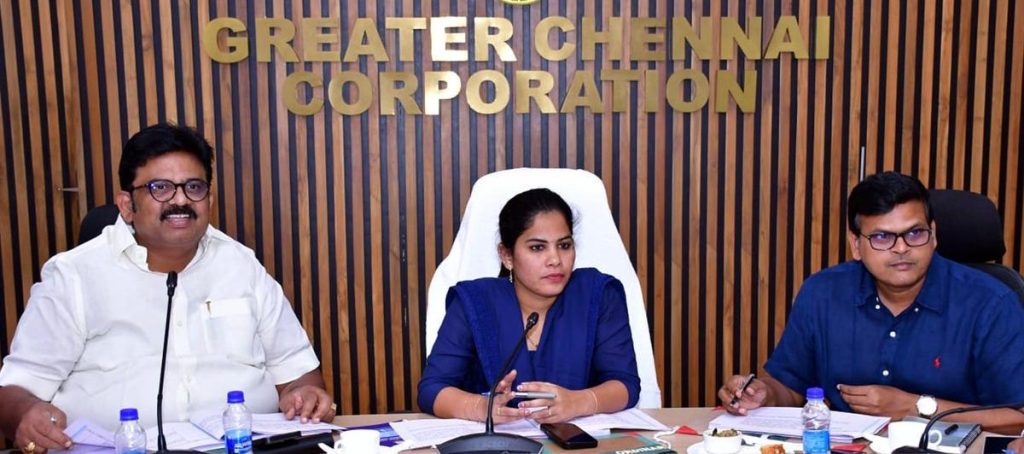
A political disagreement over coordination during rain-preparedness inspections and review meetings has emerged between Greater Chennai Corporation Mayor R Priya and the Tamil Nadu government, with the Mayor alleging that she was being sidelined and a minister insisting that she did not need a formal invitation to visit the civic body’s headquarters.
The controversy intensified after Priya said she had not been informed in advance about Chief Minister C Joseph Vijay’s visits to Ripon Buildings, the headquarters of the Greater Chennai Corporation (GCC). She said she was sometimes inspecting other areas when she learnt only later that the Chief Minister had visited the building, making it difficult for her to be present.
Priya rejected suggestions that she was avoiding the government’s rain-preparedness initiatives. She alleged that the government was ignoring her because she belonged to the DMK. Her remarks came amid inspections and review meetings related to preparations for heavy rain and the northeast monsoon.
Responding to the allegations on Saturday, School Education Minister Rajmohan denied that the Mayor was being sidelined. He said Ripon Buildings was her workplace and that she was free to visit without waiting for an invitation. He also said he had already spoken to her and urged her to participate in the government’s efforts.
Rajmohan said elected representatives should focus on addressing public grievances rather than allowing protocol issues to become a source of conflict. He pointed out that he had attended meetings even when he had not received a formal invitation and urged Priya to follow a similar approach.
Minister Aadhav Arjuna also stressed the need for cooperation, saying natural disasters affected people irrespective of political affiliations. He called for coordination among elected representatives and officials during rescue, relief and preparedness operations.
The exchange comes as Chennai faces the challenges of monsoon rainfall, including waterlogging and flooding in vulnerable neighbourhoods. The disagreement highlights the importance of coordination between the state government and the elected civic leadership in managing the city’s disaster preparedness and public services.