

Alangudi: Delta Edges and Decisive Margins
 By NT Bureau
- Tamil
- Hindi
- Malayalam
- Kannada
- Telugu
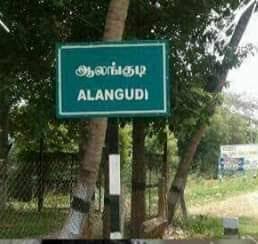
Constituency No. 182 | Pudukkottai District | General
Alangudi does not dominate television screens, but it anchors a crucial stretch of the Cauvery delta’s extended geography. This is a constituency where agriculture is not heritage — it is survival. Where irrigation timing can decide income, and where electoral margins often reflect structured organisational strength rather than sudden swings.
Alangudi is a working seat. It votes with memory and method.
Fields Before Flags

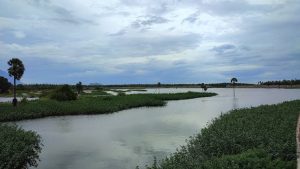
Located within Pudukkottai district but culturally tied to delta rhythms, Alangudi’s villages revolve around paddy cultivation, groundwater dependence, and tank irrigation systems.
Its visible anchors are deeply local:
Village temple complexes that double as social centres.
Irrigation channels feeding delta-linked fields.
Weekly markets serving agrarian exchange.
Interior roads connecting farming hamlets to Aranthangi and Pudukkottai town.
This is not a high-decibel constituency. It is structurally agrarian.
Agriculture as Arithmetic
In Alangudi, politics is tied to:
Water release schedules.
Canal maintenance.
Crop insurance clarity.
Fertiliser availability.
Minimum support price assurance.
Agrarian voters do not chase spectacle. They monitor delivery.
Youth migration to Tiruchirappalli, Thanjavur and even Chennai has altered family structures, but farming remains foundational.
The Electoral Ledger:
Alangudi’s recent elections reveal steady consolidation.
2011
Winner: S. Subramanian (AIADMK) — 89,104 votes
Second: A. V. M. Meyyappan (DMK) — 72,552 votes
Third: K. Rajendran (DMDK) — 21,984 votes
Margin: 16,552 votes
2016
Winner: Meyyanathan Siva V (DMK) – 72,992 votes
Second: Gnana Kalaiselvan (AIADMK) – 63,051 votes
Third: Chandrasekaran K ( MDMK) 11387 votes
Margin: 9941 votes
2021
Winner: Siva. V.Meyyanathan(DMK) — 87,935 votes
Second: Dharma Thangavel(ADMK) — 62,088 votes
Third: C.Thiruchelvam(Naam Tamilar Katchi) — 15,477 votes
Margin: 25,847 votes
The axis reversed, but margins remained emphatic rather than razor-thin.
Power and Portfolio
The 2016–2021 period carried ministerial weight for Alangudi through C. V. Vijayabaskar’s tenure in the state cabinet. For a rural constituency, cabinet proximity matters — road sanctions, health infrastructure approvals, and administrative attention often move faster when representation sits at the table.
But cabinet tenure also brings scrutiny. Voters measure whether power translated into tangible local benefit.
In 2021, the pendulum shifted. Organisational recalibration followed.
Rural Infrastructure Reality

Alangudi’s decisive concerns are neither abstract nor volatile:
Desilting of irrigation tanks.
Road durability in interior hamlets.
Drinking water reliability in summer.
Government hospital upgrades.
Access to higher secondary schooling.
In agrarian constituencies, small administrative lapses accumulate quickly.
Cadre and Consolidation
Alangudi has shown preference for structured party networks over experimental alternatives. Third candidates register presence but not dominance. Margins consistently exceed twenty thousand votes in recent cycles — evidence of consolidation rather than fragmentation.
This is not a constituency that flirts easily with protest ballots.
Looking Ahead
Three determinants shape the upcoming electoral calculus:
Water Management Discipline
Visible Rural Investment
Organisational Cohesion
Agrarian belts can turn sharply when irrigation confidence collapses. Absent that, they reward stability.
Closing Frame
Alangudi does not roar. It counts.
It counts canal levels. It counts procurement rates. It counts margins.
And when the ballots open, it often delivers not suspense — but statement.