

Aravakurichi: Between Cauvery Canals and Political Crosswinds

- Tamil
- Hindi
- Malayalam
- Kannada
- Telugu
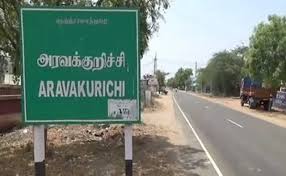 Constituency No. 134 | Karur District | General
Aravakurichi lies in the eastern stretch of Karur district, where the Cauvery basin’s irrigation channels taper into semi-arid tracts and the political wind seldom blows in only one direction. It is a constituency shaped by agriculture, caste arithmetic, periodic electoral volatility and the steady pulse of interior Tamil Nadu’s rural life.
Unlike metropolitan flashpoints, Aravakurichi does not command daily headlines. Yet, across decades, it has demonstrated that rural seats can produce dramatic political currents when alignment shifts.
Here, canal water and campaign calculation often flow together.
Cauvery’s Quiet Influence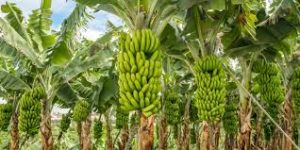
Though not directly on the river’s main course, Aravakurichi benefits from the broader Cauvery irrigation network that feeds Karur district. Paddy, groundnut, sugarcane and banana cultivation define much of the agrarian economy. Borewells supplement canal-fed tracts in drier belts.
Desilting of tanks, electricity supply for pump sets and crop procurement prices are recurring themes during campaign seasons. Farmers’ cooperatives and market committees shape local mobilisation patterns.
Water remains the constituency’s first political language.
Temple Landscapes and Rural Ritual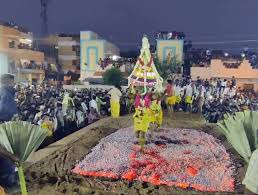
Village shrines dominate the spiritual topography. Mariamman temples, Ayyanar shrines with terracotta horse sentinels and Draupadi Amman temples punctuate settlements across the constituency.
Annual temple festivals bring together dispersed hamlets. Fire-walking rituals, folk drumming and village theatre performances create social cohesion that extends beyond ritual. During Aadi and Panguni seasons, temple car processions double as social gatherings where local issues circulate informally.
Religious life here is woven into agricultural rhythm.
Karur’s Industrial Shadow
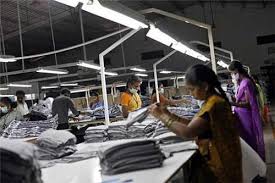
Aravakurichi sits within the broader economic orbit of Karur town, known for textile exports and home furnishing industries. While the constituency itself remains predominantly agrarian, trade and transport link it to Karur’s industrial clusters.
Lorry traffic, textile movement and small trading networks influence employment patterns. Young voters often migrate to Karur or Tiruchirappalli for work, returning during elections.
Rural economy here is not isolated; it is tethered.
Electoral Volatility and By-Election Memory
Aravakurichi has witnessed unusual electoral episodes in recent cycles. The 2016 Assembly election here was initially countermanded due to allegations of large-scale inducement practices. The constituency subsequently went to polls in a delayed by-election, bringing intense scrutiny.
Such episodes reinforced Aravakurichi’s reputation as a seat where contest margins and campaign methods attract attention.
Rural seats can sometimes become testing grounds for broader political discipline.
The Electoral Ledger:
2011
Winner: V. Senthil Balaji (AIADMK) — 88,468 votes
Second: K. C. Palanisamy (DMK) — 70,932 votes
Third: DMDK candidate — 12,115 votes
Margin: 17,536 votes
A decisive victory during a broader AIADMK upswing.
2016 (Bypoll held later)
Winner: V. Senthil Balaji (AIADMK, later political shift) — 88,068votes
Second: K. C. Palanisamy (DMK) — 64407 votes
Third: S. Prabhu (BJP) – 3,162 votes
Margin: 23661 votes
The delayed poll heightened scrutiny but preserved competitive bipolarity.
Senthil Balaji’s later political trajectory — including shift in party alignment and ministerial tenure in subsequent governments — has cast retrospective significance on this constituency.
2021
Winner: R. Elango (DMK) —93,369 votes
Second: K. Annamalai (BJP) — 68,553 votes
Third: M. Anitha Parveen(NTK ) — 7,188 votes
Margin: 24,816 votes
The axis shifted under alliance consolidation.
Aravakurichi’s margins have remained meaningful but not overwhelming, reinforcing its competitive character.
Civic Concerns and Rural Demands
Primary concerns include:
Irrigation reliability.
Rural road strengthening.
Drinking water supply during peak summer.
Employment opportunities to reduce youth migration.
Farmers closely track fertiliser pricing and procurement efficiency. Public representatives are judged on constituency presence rather than assembly rhetoric.
Delivery must be visible and frequent.
Folk Traditions and Social Cohesion
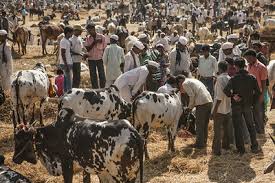
Pongal celebrations, cattle fairs and village sports tournaments mark seasonal milestones. Kabaddi and volleyball competitions draw youth participation, while temple festivals bind older generations.
Folk songs sung during harvest seasons preserve agrarian memory. Cultural continuity tempers political contestation.
In Aravakurichi, tradition stabilises volatility.
Cuisine and Karur Belt Palate
Cuisine reflects central Tamil Nadu’s agrarian palette — rice meals, tamarind-based gravies, groundnut chutneys and country chicken preparations. During temple festivals, sweet pongal and jaggery-based delicacies are common.
Food here tastes of field and firewood.
What Decides Here
Three determinants shape Aravakurichi’s electoral direction:
Irrigation and Agrarian Stability.
Farmers’ confidence shapes turnout mood.
Candidate Credibility.
By-election memories heighten scrutiny.
Alliance Arithmetic.
Margins shift with coalition alignment.
Aravakurichi does not drift passively; it recalibrates after scrutiny.
Closing Frame
Canal channels shimmer under afternoon sun. Temple drums echo through paddy fields. Lorries rumble toward Karur’s textile warehouses. Farmers gather near tea stalls discussing crop prospects and campaign whispers.
Aravakurichi stands at the meeting point of agrarian steadiness and political crosswind — a constituency that has seen scrutiny, recalibration and renewed contest.
When it votes, it does so with the caution of a farmer assessing monsoon clouds — aware, alert and deliberate.
In Aravakurichi, mandate is measured — never assumed.