

Kattumannarkoil: Rajendra Chola’s Birthplace and the Agrarian Pulse of the Delta Edge

- Tamil
- Hindi
- Malayalam
- Kannada
- Telugu

Constituency No. 159 | Cuddalore District | Scheduled Caste (Reserved)
Kattumannarkoil lies in the eastern stretch of Tamil Nadu where the fertile delta landscape gradually merges with the northern plains of Cuddalore district. This constituency is steeped in history, particularly because it is associated with one of the greatest emperors of the Chola dynasty — Rajendra Chola I, the ruler who carried Chola influence far beyond the seas.
Yet Kattumannarkoil is not merely a historical landmark. It is a living agrarian constituency where rivers, canals, temples and village economies shape everyday life. Paddy fields dominate the horizon, irrigation channels snake through villages and temple festivals continue to anchor community identity.
In Kattumannarkoil, the present stands firmly on ancient foundations.
Birthplace of Rajendra Chola

Kattumannarkoil holds a distinguished place in Tamil history as the birthplace of Rajendra Chola I, the mighty Chola emperor who ruled in the 11th century. Rajendra Chola expanded the empire across South and Southeast Asia and established a naval presence that made the Cholas one of the most powerful dynasties in Indian history.
The town therefore carries a legacy of imperial memory. Historical references and local tradition identify the region with the early life of the emperor, and the pride associated with this connection continues to shape the cultural identity of the constituency.
In Kattumannarkoil, history is not distant — it is part of local pride.
Veeranarayana Perumal Temple

The town’s most prominent landmark is the ancient Veeranarayana Perumal Temple, a major Vaishnavite shrine believed to have been patronised by Chola rulers. The temple stands as both a religious centre and a reminder of the region’s medieval heritage.
Pilgrims visit throughout the year, while annual temple festivals bring together residents from surrounding villages. Processions, devotional music and community gatherings transform the temple streets during festival days.
Religion here reinforces historical continuity.
Irrigated Agriculture and Village Economy
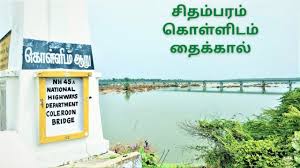
Kattumannarkoil lies close to the Kollidam branch of the Cauvery river system. The extensive irrigation network supports paddy cultivation, which remains the backbone of the local economy. Farmers depend heavily on canal water and seasonal monsoon flows.
Agriculture is complemented by small-scale trade, rural markets and livestock rearing. Weekly markets in nearby towns serve as centres for trading agricultural produce and everyday goods.
Water availability therefore remains one of the most important political issues in the constituency.
In Kattumannarkoil, the flow of canals often determines the mood of voters.
Temple Festivals and Rural Culture
Village life in the constituency revolves around temple traditions and seasonal festivals. Amman temples, Murugan shrines and Ayyanar guardian deities are common across the rural landscape.
Annual festivals bring elaborate processions, folk music performances and communal feasts that reinforce local bonds. These celebrations also serve as informal political meeting points where leaders interact with residents.
Cultural continuity remains strong in the villages of Kattumannarkoil.
Electoral Ledger:
Kattumannarkoil has witnessed closely contested elections reflecting shifting alliances in Tamil Nadu politics.
2011
Winner: N. Murugumaran (AIADMK) — 83,912 votes
Second: P. Selvam (DMK) — 72,540 votes
Third: R. Kumar (DMDK) — 22,617 votes
Margin: 11,372 votes
2016
Winner: N. Murugumaran (AIADMK) — 48450 votes
Second: Thirumavalavan Thol.(VCK) — 48363 votes
Third: Manirathnam DR. K.I (INC) — 37346 votes
Margin: 87 votes
2021
Winner: M. Sinthanai Selvan (VCK – DMK alliance) — 86,056 votes
Second: N. Murugumaran (AIADMK) — 75,491 votes
Third: Nivedha (Naam Tamilar Katchi) — 6806 votes
Margin: 10,565 votes
Alliance shifts again altered the political balance.
Kattumannarkoil’s electorate has shown that margins can swing with changing political winds.
Civic and Development Concerns
Residents frequently highlight issues such as:
Maintenance of irrigation canals and water distribution.
Road connectivity linking villages to nearby towns.
Agricultural support and procurement policies.
Rural employment opportunities.
For many voters, the stability of farming livelihoods remains the most decisive issue.
Cuisine and Local Flavour
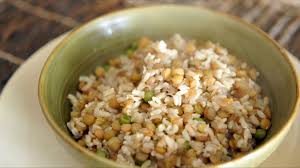
Food in Kattumannarkoil reflects delta traditions — rice meals accompanied by lentil-based gravies, vegetables grown in local fields and traditional sweets prepared during temple festivals.
Cuisine here mirrors the agrarian rhythms of the region.
Political Temperament
Kattumannarkoil voters tend to evaluate candidates through the lens of agricultural welfare and local accessibility. Rural networks, farmers’ associations and temple communities often play a role in shaping electoral mobilisation.
Campaigns here rely heavily on grassroots contact rather than large urban rallies.
Politics in Kattumannarkoil moves at the pace of village life.
What Decides Kattumannarkoil
Three factors typically determine electoral outcomes:
Water and Irrigation.
Canal management directly influences farm prosperity.
Agricultural Support.
Procurement prices and subsidies affect rural sentiment.
Alliance Arithmetic.
State-level coalitions influence local margins.
Kattumannarkoil’s verdicts often reflect both local concerns and broader political currents.
Closing Frame
Paddy fields sway under the delta sun while temple bells echo through the streets of Veeranarayana Perumal temple. Farmers watch canal waters with careful attention as markets prepare for another day of trade.
Kattumannarkoil stands where imperial memory meets agrarian reality — a constituency that carries the legacy of Rajendra Chola while navigating the everyday challenges of rural Tamil Nadu.
When Kattumannarkoil votes, the verdict rises from its fields.