

Kumarapalayam: Looms, Riverbanks and the Textile Pulse of Western Tamil Nadu

- Tamil
- Hindi
- Malayalam
- Kannada
- Telugu

Constituency No. 97 | Namakkal District | General
Kumarapalayam stands on the banks of the Cauvery river in western Tamil Nadu, forming part of a vibrant textile belt that stretches across Namakkal, Erode and Salem districts. The constituency is known for its powerloom industry, entrepreneurial trading community and proximity to major commercial centres such as Erode and Tiruchengode. Though administratively within Namakkal district, Kumarapalayam’s economy and culture remain closely tied to the wider Kongu region.
The town developed into an industrial hub as weaving units expanded through the twentieth century. Small and medium-scale textile establishments now dominate the local economy, producing fabrics that travel to markets across India.
Kumarapalayam therefore represents the industrious spirit of western Tamil Nadu — where enterprise, trade and hard work define the character of the constituency.
Powerloom Capital

The defining feature of Kumarapalayam is its large concentration of powerloom units. Thousands of looms operate in workshops across the town and surrounding areas, producing cotton fabrics, lungis and other textile products.
The industry provides employment to a wide network of workers — weavers, dyeing specialists, transporters and traders. Local entrepreneurs have built supply chains that connect Kumarapalayam’s production to wholesale markets in Erode, Tiruppur and beyond.
Textile manufacturing has transformed what was once a modest riverbank settlement into a thriving commercial centre.
For many families in the constituency, the steady rhythm of powerlooms shapes everyday life.
Cauvery River Lifeline
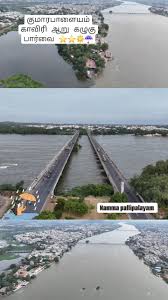
The Cauvery river flows close to Kumarapalayam, influencing both agriculture and settlement patterns in the region. Though industrial activity dominates the town, surrounding villages continue to depend on agriculture supported by irrigation from the river.
The Cauvery’s presence also contributes to the local landscape, providing water resources and sustaining vegetation along the riverbanks.
Residents regard the river not only as a natural resource but also as part of the cultural identity of the region.
Temples and Local Faith
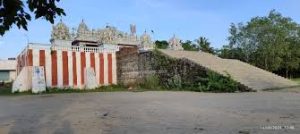
Temple traditions remain strong in Kumarapalayam despite its industrial growth. One of the most important nearby spiritual landmarks is the Sangameswarar Temple, located at the confluence of the Cauvery and Bhavani rivers. Devotees from across western Tamil Nadu visit the temple, particularly during festival seasons.
Within the constituency, numerous Amman temples and Vinayagar shrines host annual festivals that bring together neighbourhood communities.
These religious gatherings strengthen social bonds in the town’s busy commercial environment.
Strategic Location in Kongu Region
Kumarapalayam occupies an advantageous position between Erode and Salem, two important economic centres of the Kongu belt. Road networks connect the town to regional textile markets, enabling traders to transport fabrics quickly to wholesale hubs.
This strategic location has allowed local entrepreneurs to expand their businesses while maintaining close ties with regional trade networks.
Transport corridors and market access therefore play a major role in the constituency’s economic vitality.
Electoral Ledger:
Kumarapalayam’s electoral history reflects the competitive political environment of western Tamil Nadu.
2011
Winner: P. Thangamani (AIADMK) — 1,10,372 votes
Second: K. S. Moorthy (DMK) — 83,412 votes
Third: R. Kumar (DMDK) — 27,946 votes
Margin: 26,960 votes
2016
Winner: P. Thangamani (AIADMK) — 103032 votes
Second: Yuvaraj P (DMK) — 55703 votes
Third: Madeswaran P (DMDK) — 9784 votes
Margin: 47329 votes
2021
Winner: P. Thangamani (AIADMK) — 1,00,800 votes
Second: M. Venkatachalam (DMK) — 69,154 votes
Third: S. Varun (Naam Tamilar Katchi) — 13,240,votes
Margin: 31,646 votes
Alliance dynamics again reshaped the electoral outcome.
Kumarapalayam voters have shown a readiness to shift with broader regional political trends.
Civic and Development Concerns
Residents often highlight several issues affecting daily life:
Infrastructure support for the textile industry.
Road maintenance for transport of goods.
Environmental concerns related to dyeing units.
Water supply for both industry and households.
Balancing industrial growth with environmental sustainability remains a key challenge for the constituency.
Cuisine and Kongu Flavours
Food culture in Kumarapalayam reflects the wider Kongu culinary tradition. Meals typically feature rice, lentil-based gravies, coconut-infused curries and locally grown vegetables.
Traditional Kongu dishes emphasise robust flavours and agricultural produce from the surrounding region.
Cuisine here mirrors the hardworking ethos of the community.
Political Temperament
The electorate in Kumarapalayam consists of textile workers, entrepreneurs, traders and farmers from surrounding villages. Political mobilisation often revolves around employment, industrial policy and regional economic growth.
Campaigns frequently highlight development initiatives that support small industries and improve infrastructure.
The constituency’s voters evaluate political promises through the lens of economic opportunity.
What Decides Kumarapalayam
Three factors usually influence electoral outcomes:
Industrial prosperity
The health of the textile sector affects livelihoods.
Infrastructure development
Transport and utilities influence business growth.
Alliance dynamics
Statewide political alignments shape margins.
Kumarapalayam voters often balance economic interests with political loyalties.
Closing Frame
Powerlooms hum steadily across the town as traders load fabric bundles for distant markets. The Cauvery flows quietly nearby, sustaining fields and communities that have thrived for generations.
Kumarapalayam stands as a testament to the industrious spirit of western Tamil Nadu — a constituency where enterprise and tradition continue to shape political choices.
When Kumarapalayam votes, the verdict echoes through its looms and marketplaces.