

Mayiladuthurai: Mayuranathar’s City, Cauvery’s Blessing and the Sacred Gateway of the Delta
 By NT Bureau
- Tamil
- Hindi
- Malayalam
- Kannada
- Telugu

Constituency No. 161 | Mayiladuthurai District | General
Mayiladuthurai, historically known as Mayavaram, stands among the most culturally layered towns of the Cauvery delta. Located along the fertile banks of the river, the town has for centuries served as a religious centre, a pilgrimage gateway and an agricultural hub. Few places in Tamil Nadu combine temple heritage, riverine geography and cultural continuity as richly as this historic town.
The name Mayiladuthurai itself carries a sacred legend. According to tradition, Goddess Parvati is believed to have worshipped Lord Shiva here in the form of a peacock (mayil), giving the town its name — the place where the peacock worshipped. Over time the town became an important Saivite and Vaishnavite centre, with temples that continue to draw devotees from across the delta.
From the Cauvery river that nourishes its fields to the towering temple gopurams that dominate its skyline, Mayiladuthurai remains one of the spiritual capitals of the delta region.
Mayuranathar Temple: Paadal Petra Sthalam
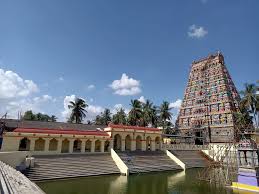
The most prominent landmark of the constituency is the Mayuranathaswamy Temple, dedicated to Lord Shiva as Mayuranathar. This temple is celebrated as a Paadal Petra Sthalam, one of the sacred Shiva temples praised in the devotional hymns of the Nayanmar saints.
The temple complex, with its towering gopuram and spacious corridors, reflects the architectural traditions of the Chola period when temple construction flourished across the Cauvery delta. Devotees believe that worship at this shrine grants spiritual purification and relief from past karmic burdens.
The temple’s festivals attract large crowds, particularly during the Tamil month of Aippasi when sacred rituals are performed along the banks of the Cauvery.
Mayuranathar temple therefore forms the spiritual heart of the town.
Parimala Ranganathar Divya Desam
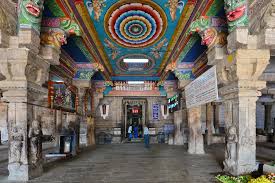
Equally important in the religious geography of Mayiladuthurai is the Parimala Ranganathar Temple, one of the revered Divya Desams celebrated in the hymns of the Alvar saints.
The temple is dedicated to Lord Vishnu in the reclining form of Ranganatha. Devotees regard the shrine as a sacred counterpart to the great Ranganathaswamy temple of Srirangam. The presiding deity is believed to bless devotees with prosperity and spiritual peace.
The presence of both a Paadal Petra Sthalam and a Divya Desam in the same town gives Mayiladuthurai a rare religious distinction, drawing pilgrims from both Shaivite and Vaishnavite traditions.
Cauvery River and Delta Prosperity

The Cauvery river flows close to Mayiladuthurai, shaping both the town’s geography and its agricultural prosperity. For centuries the river’s distributaries and irrigation channels have sustained cultivation across the surrounding villages.
Fields of paddy stretch across the countryside during the harvest season, reinforcing the delta’s reputation as the rice bowl of Tamil Nadu. Farmers depend heavily on Cauvery water releases to sustain these crops.
The river also plays a central role in the town’s religious life. Ritual bathing in the Cauvery during auspicious periods is considered sacred, and pilgrims gather along the riverbanks during festival seasons.
Cauvery therefore remains both the lifeline and spiritual symbol of Mayiladuthurai.
Gateway to the Navagraha Circuit

Mayiladuthurai also serves as an important gateway to the Navagraha temples scattered across the surrounding delta region. Pilgrims visiting the nine planetary temples often base themselves in the town before travelling to shrines dedicated to the Sun, Moon and other celestial deities.
This pilgrimage circuit brings steady streams of visitors to the town throughout the year. Hotels, restaurants and transport services catering to pilgrims contribute to the local economy.
Thus Mayiladuthurai functions as both a pilgrimage centre and a transit point within the sacred geography of the Cauvery delta.
Temple Town Culture

The streets of Mayiladuthurai reflect the rhythms of a traditional temple town. Flower sellers prepare garlands before sunrise, priests conduct morning rituals and traders open shops selling devotional items, brass lamps and religious books.
Festivals bring the town alive with music, processions and elaborate decorations. Temple chariots move through crowded streets while devotees gather to witness rituals that have been performed for centuries.
This continuity of tradition gives Mayiladuthurai its distinctive cultural atmosphere.
Electoral Ledger:
Mayiladuthurai’s electoral contests mirror the political currents of the Cauvery delta.
2011
Winner: R. Rajendran (AIADMK) — 90,728 votes
Second: S. K. Inigo Irudayaraj (DMK) — 78,241 votes
Third: K. Balamurugan (DMDK) — 24,518 votes
Margin: 12,487 votes
2016
Winner: Rathakrishnan V (AIADMK) — 70949 votes
Second: Anbazhagan K (DMK) — 66171 votes
Third: Ayyappan A (PMK) — 13115 votes
Margin: 4778 votes
2021
Winner: S. Rajakumar (INC – DMK alliance) — 73,642 votes
Second: Palanisamy. A (PMK) — 70,900 votes
Third: Kasiraman.K. (Naam Tamilar Katchi) — 13,186 votes
Margin: 2,742 votes
The constituency has therefore seen close contests between the major Dravidian parties.
Agriculture and Delta Economy
Agriculture forms the backbone of the constituency’s economy. Paddy cultivation dominates the delta landscape, while coconut, banana and pulses are also grown in surrounding villages.
Weekly markets allow farmers to sell produce to traders from neighbouring towns. The presence of rice mills and agricultural markets strengthens the rural economy.
Farmers’ concerns about irrigation and water management often shape political discussions during election campaigns.
Political Temperament
The electorate of Mayiladuthurai consists of farmers, temple workers, traders and small business owners. Political mobilisation often occurs through agricultural networks and community organisations.
Issues such as irrigation, agricultural support policies and infrastructure development dominate election campaigns.
Religious festivals and temple gatherings also serve as important platforms for political interaction.
What Decides Mayiladuthurai
Three factors generally shape electoral outcomes:
Cauvery irrigation
Water supply remains vital for agriculture.
Temple economy
Pilgrimage activity influences local livelihoods.
Delta agriculture
Farmers’ welfare plays a central role in voter sentiment.
Mayiladuthurai voters therefore balance spiritual traditions with economic priorities.
Closing Frame
As the Cauvery flows quietly past the town, temple bells ring from Mayuranathar’s shrine and pilgrims gather at the Parimala Ranganathar temple. Beyond the town’s streets stretch the fertile fields of the delta where farmers prepare for the next harvest.
Mayiladuthurai stands as a constituency where river, temple and agriculture weave together the fabric of everyday life.
When Mayiladuthurai votes, the verdict reflects the voice of a sacred town rooted deeply in the spiritual and agricultural heart of the Cauvery delta.