

Polur: Arunachala’s Shadow, Fort Ruins and the Dryland Plains of Tiruvannamalai
 By Nandhini
- Tamil
- Hindi
- Malayalam
- Kannada
- Telugu

Constituency No. 66 | Tiruvannamalai District | General
Polur lies in the northern part of Tiruvannamalai district, a constituency where dryland agriculture, ancient temple traditions and the dramatic landscape of rocky hills shape everyday life. Situated between Tiruvannamalai and Vellore districts, the town has historically served as a market centre linking the surrounding villages with larger urban centres.
The countryside around Polur is characterised by scattered hills, rocky outcrops and fields cultivated according to seasonal rainfall. Farmers grow hardy crops suited to the dry terrain while irrigation tanks store precious monsoon water for agricultural use.
Though quieter than the temple city of Tiruvannamalai nearby, Polur carries its own historical and cultural significance. The town’s landscape includes ancient temples, fort remnants and long-standing village traditions that reflect the region’s deep historical roots.
Polur therefore represents a constituency where rural life, spiritual heritage and natural landscape combine to define the character of northern Tamil Nadu.
Arunachala’s Sacred Neighbour


Polur lies not far from the famous Arunachaleswarar Temple, one of the most revered Shiva temples in Tamil Nadu. The towering hill of Arunachala dominates the spiritual geography of the entire region.
Pilgrims travelling to Tiruvannamalai for the sacred Girivalam circumambulation often pass through Polur and neighbouring areas. During the full moon days of the Tamil calendar, thousands of devotees gather in the district to walk around the sacred hill.
This proximity to one of Tamil Nadu’s most important Shaivite pilgrimage centres has influenced the cultural life of the constituency for centuries.
Hills & Historic Landscape

The terrain around Polur features rocky hills that form part of the extended hill systems of northern Tamil Nadu. These hills provide scenic landscapes and historically served as natural defensive points for forts and settlements.
One notable historic structure in the region is the Padavedu Fort, located not far from the constituency. The ruins of the old fort reflect the military and administrative significance of the region during earlier centuries.
Such historical landmarks add depth to the cultural identity of the Polur region.
Temple Traditions & Village Faith

Religious life in the constituency centres on numerous temples dedicated to Shiva, Vishnu, Murugan and Amman. Among the important shrines in the region is the Renugambal Temple Padavedu, a famous Amman temple that attracts devotees from across northern Tamil Nadu.
Village temples throughout the constituency host annual festivals featuring colourful processions, devotional music and communal gatherings.
These temple celebrations play an important role in sustaining the cultural traditions of rural communities.
Dryland Agriculture

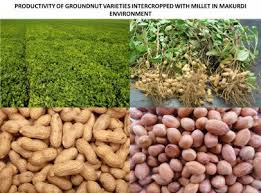
Agriculture in Polur largely depends on seasonal rainfall and groundwater. Farmers cultivate crops such as millets, groundnut, pulses and sugarcane depending on water availability.
Irrigation tanks constructed centuries ago continue to store rainwater and support cultivation across the region.
Livestock rearing, especially goats and cattle, also contributes to the rural economy.
Despite the challenges posed by limited rainfall, farmers have adapted cropping patterns suited to the dry climate.
Markets & Local Trade
Polur town functions as a trading hub for surrounding villages where farmers bring agricultural produce to sell. Weekly markets attract traders dealing in grains, vegetables, livestock and household goods.
Small businesses, agricultural supply shops and transport services support the local economy.
Road links connecting Polur with Tiruvannamalai, Vellore and other towns allow agricultural goods to reach larger markets.
Electoral Ledger:
2011
Winner — P. M. Narayanan (AIADMK) — 91,154 votes
Runner-up — K. V. Sekar (DMK) — 78,923 votes
Third — R. Rajendran (DMDK) — 24,112 votes
Winning Margin — 12,231 votes
2016
Winner — K. V. Sekar (DMK) — 66588 votes
Runner-up — Murugan M (AIADMK) — 58315 votes
Third — Elumalai C (IND) — 38861 votes
Winning Margin — 8273 votes
2021
Winner — Agri Krishnamurthy.S S (ADMK) — 97732 votes
Runner-up — Sekaran K.V (DMK) — 88007 votes
Third — Lavanya. L (Naam Tamilar Katchi) — 10197 votes
Winning Margin — 9725 votes
Electoral contests here often reflect broader political trends in Tiruvannamalai district.
Civic & Development Concerns
Residents frequently highlight several priorities:
improved irrigation and water conservation
better rural road infrastructure
employment opportunities for youth
development of tourism around nearby historical and temple sites
Water management remains the most pressing concern for farmers.
Political Temperament
The electorate consists largely of farmers, agricultural labourers, traders and small business owners. Village networks and community organisations play a significant role in political mobilisation.
Campaigns often focus on agricultural welfare schemes, infrastructure development and rural employment opportunities.
Candidates with strong grassroots connections often gain support.
What Decides Polur
Three factors generally shape electoral outcomes here:
Agriculture and water
Farmers depend heavily on rainfall and irrigation tanks.
Temple heritage
Pilgrimage networks influence cultural identity.
Rural infrastructure
Roads, irrigation and employment opportunities matter to voters.
Polur voters therefore prioritise practical development alongside cultural continuity.
Closing Frame
Across the plains of Polur, fields stretch beneath rocky hills while temple bells echo through villages rooted in centuries of tradition. Pilgrims journey toward the sacred hill of Arunachala while farmers cultivate crops in the dry countryside.
The constituency stands where history, spirituality and rural resilience meet.
When Polur votes, the verdict reflects the voice of a region shaped by hills, temples and the enduring strength of village life.