


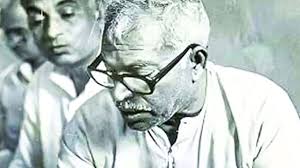
Karpoori Thakur, affectionately known as Jan Nayak or the people’s hero, has been posthumously awarded the prestigious Bharat Ratna for his significant contributions to Indian politics and social justice. Born on January 24, 1924, into the Nai caste in Bihar, Thakur’s journey from a student activist during the Quit India Movement to becoming the Chief Minister of Bihar reflects a life dedicated to serving the underprivileged.
Early Life and Nationalistic Ideals
Thakur’s early years were marked by a deep connection to nationalistic ideals. His active participation in the Quit India Movement as a student activist led to a 26-month imprisonment. After independence, he transitioned from teaching to politics, driven by a commitment to social change.
Political Career and Land Reforms
Karpoori Thakur’s political career saw him rise through the ranks, serving as a minister and Deputy Chief Minister before becoming Bihar’s Chief Minister in 1970. His administration implemented crucial land reforms and enforced total prohibition of alcohol, impacting Bihar’s socio-economic landscape significantly.
Advocacy for Backward Classes
A champion of the underprivileged, Thakur played a pivotal role in implementing reservations for Backward Castes in government jobs. As the education minister of Bihar, he removed English as a compulsory subject for matriculation, advocating for the Hindi language.
Total Revolution Movement and Challenges
During the Emergency in India (1975–77), Thakur led the “Total Revolution” movement, aiming at the non-violent transformation of Indian society. However, internal tensions within the Janata Party led to his resignation in 1979 over the reservation policy for Backward Castes.
Legacy and Mentorship
Despite political challenges, Karpoori Thakur’s commitment to social justice endured. As the President of the Samyukta Socialist Party, he introduced reservations for backward classes in government jobs in 1978. His legacy lives on through mentoring prominent Bihari leaders like Lalu Prasad Yadav, Ram Vilas Paswan, Devendra Prasad Yadav, and Nitish Kumar.