


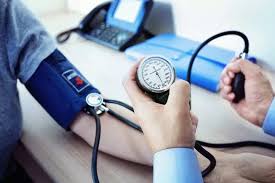
 A new method for enhancing the accuracy of interpreting blood pressure measurements taken at the ankle may be critical for patients who are unable to have their arm blood pressure monitored.
New research from the University of Exeter Medical School, analysed data from over 33,000 people to create a personalised predictive model for more accurately estimating arm blood pressure from ankle readings – when compared to previously available methods.
The team has developed an online calculator for healthcare professionals and patients to interpret these readings effectively.
High blood pressure affects over one billion people globally, increasing the risk of serious health issues like heart, brain, and kidney diseases. It’s therefore very important to measure and interpret blood pressure readings as accurately as possible.
While blood pressure is typically measured on the arm, sometimes this is not possible due to disability, missing limbs, or problems caused by conditions such as stroke. Blood pressure can be measured at the ankle instead, but these readings are generally higher than arm values.
Standard guidelines for treating blood pressure are based on arm readings only, which creates complications in making accurate estimations based on ankle measurements, potentially leading to misdiagnoses. Professor Chris Clark from the University of Exeter Medical School led the study and said: “Our new method will give a more accurate blood pressure reading for around two percent more people.
This doesn’t sound a big number but remember, around a third of adults have high blood pressure and once you get into your 60s it’s more than half of the adults. The NHS Health Check Programme diagnoses 38,000 new cases annually in England alone, so two percent equates to 750 fewer potential misdiagnoses per year in England, and tens of thousands globally.