


 Betrayal and Resistance
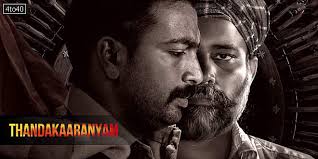
Thandakaaranyam, directed by Athiyan Aathirai and produced by Pa Ranjith’s Neelam Productions, is a bold and haunting work of cinema. Drawing inspiration from the 2014 fake Naxal surrender scam, the film goes beyond conventional storytelling to deliver a raw and unsettling narrative of systemic betrayal, political manipulation, and the exploitation of marginalized communities. Rather than softening its subject, it confronts harsh truths head-on, making it a film that feels urgent, necessary, and unshakably relevant.
The story carries an authenticity that transforms a dark historical chapter into a gripping cinematic experience. It captures not only the exploitation and injustice meted out to the vulnerable but also their resilience, suppressed rage, and search for dignity. The emotional weight of the narrative is heightened by the performances—Kalaiyarasan, in a career-best role, portrays a man trapped between innocence and institutional cruelty with remarkable subtlety and intensity. His restrained yet powerful expressions recall the impact he made in Madras. Dinesh, breaking away from his familiar roles, delivers a grounded and intense performance that pairs seamlessly with Kalaiyarasan, creating the film’s emotional core.
The supporting cast makes the world of Thandakaaranyam feel lived-in and real. Shabeer Kallarakkal lends gravity, Bala Saravanan surprises with a toned-down, sincere turn, while Rithvika and Vinsu add nuance and depth. Technically, the film is masterful: Justin Prabhakaran’s evocative score lingers in the background, never overpowering but always guiding emotions; Pratheep’s cinematography captures the forest as both a cage and a character; and editor Selva’s measured pacing sustains tension without letting the story drag.
In the end, Thandakaaranyam is more than just a film—it is a cinematic statement. With its unflinching honesty and artistic finesse, it solidifies Neelam Productions’ commitment to socially conscious storytelling. It is a powerful, affecting work that forces the audience to reflect on injustice, resilience, and the cost of silence, long after the screen goes dark.