

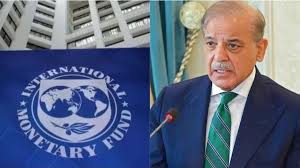
 The IMF, in a recent report, has highlighted the rampant corruption in Pakistan that has crippled the development of the country. The publication of the report on the website of Pakistan’s Finance Ministry, though the subject of recent discussions across the country’s TV shows, instantly became a reminder of complacency across the power structure. Instead of being jolted to take decisive action, a succession of past regimes have treated corruption as a fait accompli, according to an article in Pakistan’s The News International newspaper. Pakistan is no exception to the powerful reality witnessed worldwide that country after country failed when its leaders chose to ignore corruption. Further damaging to Pakistan’s mainstream population has been the reality of broken-down systems of governance, long ignored when they were of little consequence to the ruling elite. The article by Islamabad-based journalist Farhan Bokari stated that the heart of the IMF’s report lie two tragic trends. First, its publication at the behest of a foreign lender rather than a home-grown initiative underlines the lack of sincerity on this front across the power structure. This is nothing short of being outright tragic. Second, the report has highlighted the gaps that have fuelled corruption across Pakistan. But short of the need to overcome those gaps, the report in itself offered little guidance on innovating the road ahead to battle corruption. And the obvious point in need of being addressed squarely relates to the need to reform the structures of governance, leadership and public representation. Today, Pakistan’s ruling structure is more exposed on its failure to tackle corruption at the grassroots than before. Access to areas that must be the right of every citizen, such as reliance on the police in cases needed, or access to municipal services or access to healthcare and education, have become luxuries for the far too few, the report states. In the midst of this journey towards elitism, policy directions across the board have primarily become confined around the relatively few. Fancy initiatives such as EV buses or more motorways, or indeed a planned glass-covered train from Rawalpindi to Murree via Islamabad, have become baffling choices, coinciding with increasing nationwide food insecurity. The visibly growing incidence of impoverishment across the country, notwithstanding official claims to the contrary, has pointed to a sorry state within the state of Pakistan, the report further stated. It opines that going forward, successfully tackling corruption is linked to a massive policy change that is centrally driven by the needs of the people of the country. @@@
Rampant corruption in Pak, says IMF report
 By Agency
🌐 Translate ▾
- Tamil
- Hindi
- Malayalam
- Kannada
- Telugu
Add A Comment