


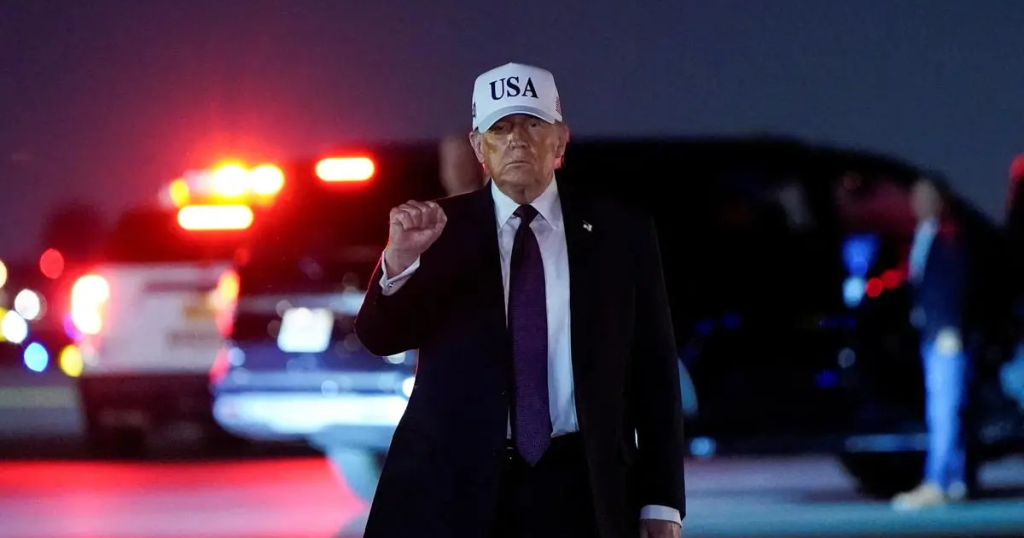
Washington, Mar 16: Two weeks after the United States and Israel launched strikes on Iran, Donald Trump is facing growing political pressure at home.
The conflict has raised concerns among Americans about rising casualties, surging oil prices and falling financial markets, while Trump has struggled to clearly explain why the war began or how it will end.
The administration has also faced criticism over its handling of global energy markets. The US Treasury recently granted a 30-day waiver on certain Russian oil sanctions, allowing some shipments to move despite restrictions placed after Vladimir Putin launched the war in Ukraine.
Analysts say the move, combined with rising oil prices caused by instability in the Persian Gulf, could strengthen Russia’s economy and weaken efforts to limit Moscow’s war funding.
Trump has called on international partners to help secure the strategic Strait of Hormuz, through which about one-fifth of the world’s traded oil passes. Iran has threatened energy infrastructure and warned it could block the waterway, creating further uncertainty in global markets.
Domestically, the war is shaping political debate ahead of upcoming midterm elections. Democrats have united in opposition to Trump’s Iran policy and are highlighting economic turmoil as evidence that Republicans have failed to reduce everyday costs.
The conflict has also divided Trump’s “Make America Great Again” base, with some supporters backing the military action while others criticize it as contradicting Trump’s previous promises to avoid new wars.