


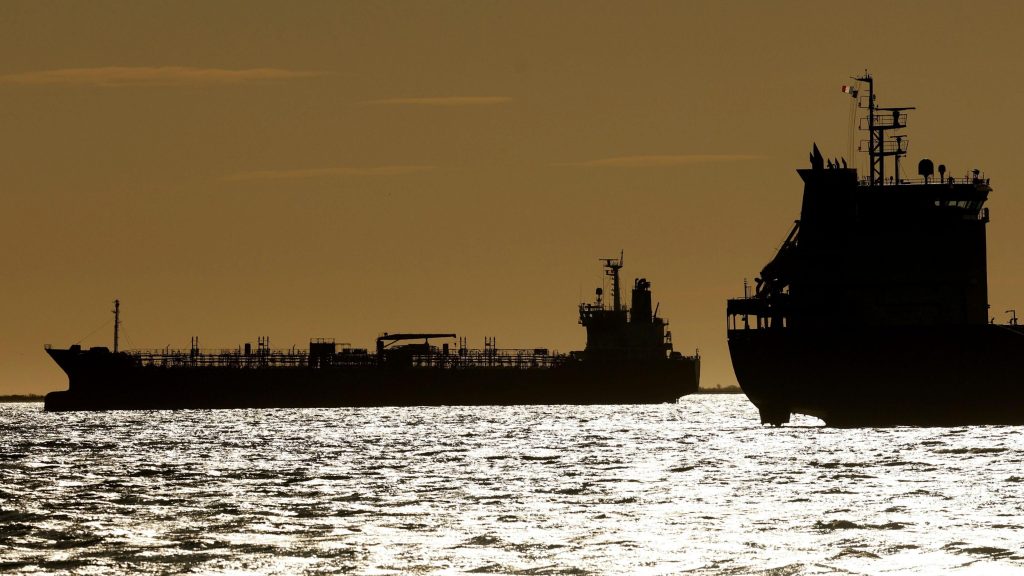
Washington, Mar 21: The United States has temporarily lifted sanctions on Iranian oil already at sea in a bid to stabilize global energy markets amid rising supply pressures. The decision, announced by Treasury Secretary Scott Bessent, allows the purchase of approximately 140 million barrels of Iranian crude that had been loaded onto vessels before the waiver deadline.
The 30-day sanctions waiver marks the third such move in recent weeks, reflecting growing concern within the Trump administration over surging oil prices linked to the ongoing conflict involving the US, Israel, and Iran. By allowing these shipments to enter the market, Washington aims to ease immediate supply shortages and prevent further economic disruption.
Despite the relaxation, US officials have emphasized that the measure is temporary and carefully structured to ensure Iran does not significantly benefit financially. According to Bessent, the policy is designed to use existing النفط supplies to stabilize prices rather than provide long-term economic relief to Tehran.
The timing of the decision highlights a key contradiction in US strategy. While continuing military pressure on Iran, Washington is simultaneously taking steps to prevent the conflict from triggering a global energy crisis. Analysts view this as a pragmatic move, prioritizing market stability over strict enforcement of sanctions in the short term.
The waiver applies only to oil already in transit, meaning no new exports from Iran are permitted under the arrangement. The exemption is set to expire within a month, suggesting that the US intends to reassess the situation based on market conditions and geopolitical developments.
Global energy markets have been highly volatile since the escalation of tensions in the Middle East, particularly due to threats to the Strait of Hormuz, a critical route for oil shipments. Any disruption in this المنطقة can have immediate and far-reaching impacts on supply chains and fuel prices worldwide.
Industry experts note that the release of these barrels could provide short-term relief, but it does not address the underlying risks posed by the ongoing conflict. If tensions escalate further or shipping routes are disrupted, the market could face renewed instability once the waiver expires.
The move also underscores the broader challenge facing policymakers: balancing geopolitical objectives with economic realities. While sanctions remain a key tool in US foreign policy, the need to manage global energy prices has forced a degree of flexibility.
As the situation evolves, the effectiveness of this temporary measure will depend on how quickly stability returns to the region—and whether further تدخلات will be required to prevent another spike in oil prices.