


Chennai, Aug 18:
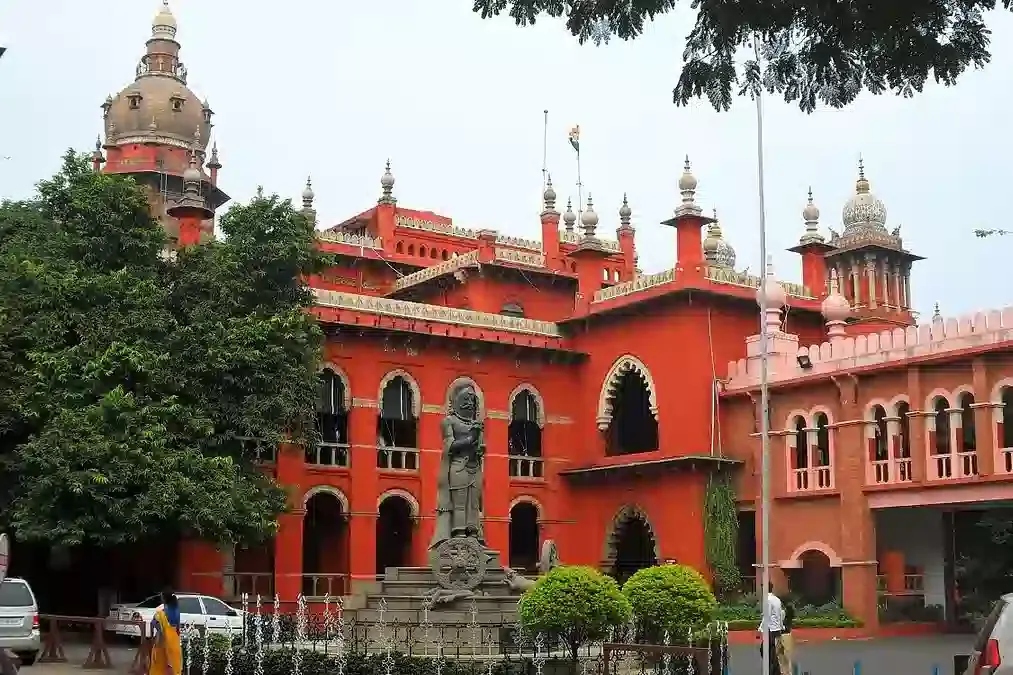
The Madras High Court on Tuesday questioned what was wrong with dropping disqualification proceedings against 21 AIADMK MLAs after they were pardoned by the party for defying the whip and voting in favour of the TVK government during the May 13 confidence vote.
The case was heard by a Division Bench comprising Chief Justice Sushrut Arvind Dharmadhikari and Justice G. Arul Murugun.
During the hearing, the court was dealing with a PIL filed by advocate Selvakumar challenging the Speaker’s decision to withdraw the disqualification proceedings against the 21 MLAs.
The issue arose after 25 AIADMK MLAs were accused of violating the party whip by voting in favour of the TVK government during the confidence motion on May 13. AIADMK general secretary Edappadi K. Palaniswami had subsequently sought disqualification action against them.
Of the 25 MLAs, four later resigned. The remaining 21 submitted letters seeking pardon. Following this, Palaniswami wrote to the Speaker withdrawing his request for disqualification proceedings against the 21 legislators.
The Speaker accepted the request and dropped the proceedings.
Challenging the decision, advocate Selvakumar filed a PIL seeking its cancellation.
Appearing for the petitioner, advocate Sakthivel argued that political parties had no power to pardon legislators who had defied a whip and voted against the party’s position.
He contended that by violating the whip, the legislators had effectively attracted disqualification under the anti-defection law and that accepting their apology and dropping the proceedings amounted to a “mockery of the Constitution”.
Advocate General Vijay Narayan, appearing for the government, argued that the matter concerned the relationship between the political party and its legislators.
Since the party’s general secretary had pardoned the MLAs, they continued to remain members of the party, he submitted. He also questioned the maintainability of a PIL filed by a third party in an internal party matter.
The judges questioned the petitioner’s challenge, pointing out that the 21 MLAs had been pardoned and continued as members of the party.
The court noted that the legislators had not resigned, while the petitioner was a third party and the political party itself had not challenged the Speaker’s decision.
The judges also observed that the party had exercised the option to pardon the legislators within the stipulated 15-day period, following which the Speaker accepted the withdrawal of the disqualification proceedings.
“If they have been pardoned for violating the whip, they continue as members of the party. They have not resigned. The petitioner is a third party and the party itself has not filed the case. The pardon was given within 15 days and the Speaker has accepted it. What is wrong with this?” the court asked.
The Bench further observed that there was no defection proceeding against the MLAs at the present stage.
After hearing the arguments, the judges reserved their order in the case.