


New Delhi, Sept 21:
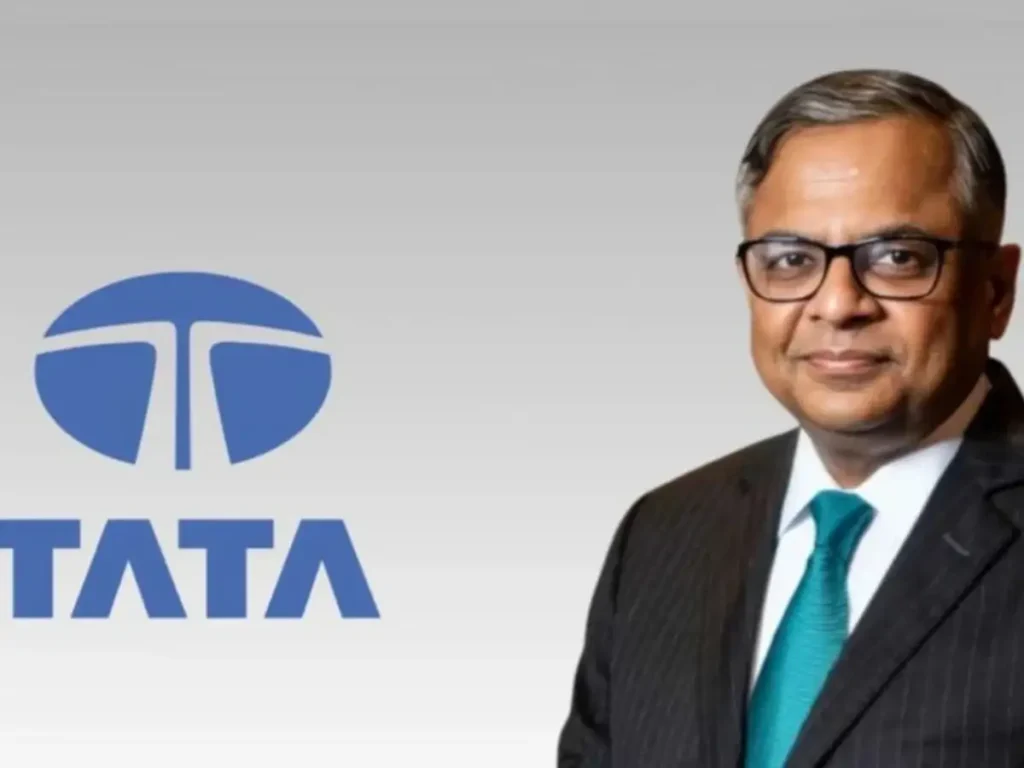
The dispute between Tata Trusts and Tata Sons over the reappointment of N Chandrasekaran as chairman has escalated, with Tata Trusts declaring that the September 17 board resolution extending his tenure was not legally valid.
In a statement, Tata Trusts said the resolution did not receive the affirmative support required from its nominee directors under Tata Sons’ Articles of Association (AoA). Tata Trusts, which holds about 66 per cent of Tata Sons, has two nominee directors on the board. Noel Tata voted against the reappointment, while the other nominee, Venu Srinivasan, supported it. The Tata Sons board had otherwise backed Chandrasekaran’s reappointment by a 4-1 vote.
The Trusts argued that the requirement for support from a majority of its nominees was separate from the overall board vote. It also rejected the contention that a chairman’s casting vote could resolve the issue, saying such a vote applies to a tie at the overall board level and not to the separate requirement concerning Tata Trusts’ nominees. The Trusts described the resolution as having “no legal effect” and said it was void from the outset.
The latest development follows the Tata Sons board’s September 17 decision to give Chandrasekaran another five-year term from February 2027. The board also decided to proceed with plans for a public listing, an issue on which Tata Trusts and Tata Sons have differed. The Reserve Bank of India’s regulatory position on Tata Sons’ status as an upper-layer non-banking financial company has added to the debate over the proposed listing.
Tata Trusts has also invoked the Supreme Court proceedings in the Tata-Mistry case, arguing that Tata Sons had previously defended the special rights of Trust-nominated directors under its Articles of Association. The Trusts contend that those provisions cannot now be interpreted differently in the dispute over Chandrasekaran’s reappointment.
The dispute has now moved towards a legal contest, with senior advocate Abhishek Manu Singhvi appointed to represent Tata Trusts. Singhvi said he was entering the matter with “sadness and regret” that the issues had not been resolved amicably. Tata Sons and its leadership face a separate legal position from the Trusts, making the interpretation of the company’s Articles of Association central to the next stage of the dispute.
The disagreement comes at a crucial stage for the Tata Group, involving leadership succession, the governance rights of Tata Trusts and the future ownership and listing structure of Tata Sons. The validity of the September 17 board resolution is expected to remain a key issue as the two sides consider their legal options.