


Tiruchy, Oct 13:
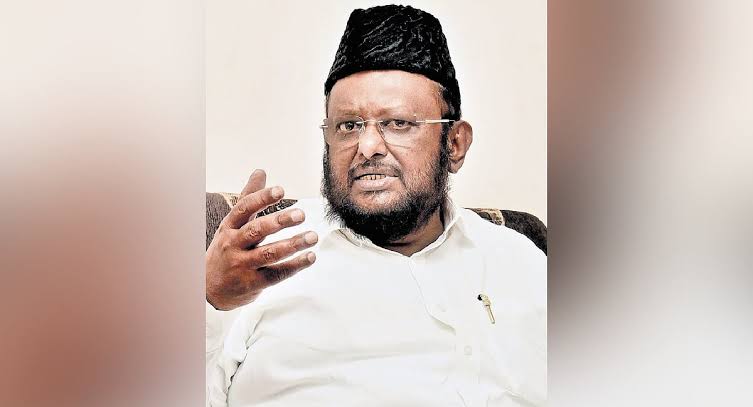
Manithaneya Makkal Katchi (MMK) president MH Jawahirullah has dismissed speculation that the Dravida Munnetra Kazhagam (DMK), led by MK Stalin, could enter into a political understanding with the Bharatiya Janata Party (BJP). Describing such speculation as “wild imagination”, he asserted that the two parties followed fundamentally different ideological paths and that the DMK would not align with the BJP.
Addressing reporters in Tiruchy on Monday, Jawahirullah said the DMK and the BJP stood on opposite sides of the ideological spectrum. He reiterated that his party would not associate itself with any political formation that joined hands with the BJP, describing its position as rooted in constitutional values, secularism and the protection of minority rights.
To substantiate his argument, Jawahirullah referred to Stalin’s opposition to the Citizenship (Amendment) Act (CAA) and the DMK’s role in mobilising resistance to the legislation. He also cited the party’s opposition to the Centre’s Waqf Amendment Bill, including resolutions adopted in the Tamil Nadu Assembly, as evidence of its stated commitment to federalism and secular principles.
Jawahirullah said the DMK’s political record did not support suggestions that it would move towards the BJP. He argued that the ideological differences between the parties were too fundamental for such a political arrangement to be considered plausible.
The MMK leader also made it clear that his party’s position on alliances would depend on ideological compatibility. He said it would not support a party that entered into an arrangement with the BJP, reinforcing the importance his organisation attached to maintaining a consistent political position on secularism.
His remarks come amid speculation over possible realignments in Tamil Nadu politics following the 2026 Assembly election and subsequent changes in political equations. The comments seek to rule out any ambiguity over the MMK’s position on the BJP and its expectations of the DMK.
While Jawahirullah’s statement amounts to a categorical rejection of a DMK-BJP understanding, it reflects his party’s assessment of the political situation. The statement does not, by itself, establish the future course of alliance negotiations involving other parties.