

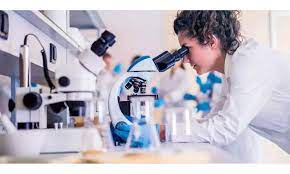
 Scientists have developed a promising antibiotic candidate against a hospital superbug, using a methodology that may be important in the fight against antimicrobial resistance. The team from the Norwegian University of Science and Technology (NTNU) developed a combination of two new substances that effectively kills methicillin-resistant Staphylococcus aureus (MRSA). These substances may become a completely new antibiotic that kills MRSA much more effectively than when used separately and is als effective against a wide group of bacteria, according to the findings published in the Frontiers in Microbiology journal. “Antimicrobial resistance is a major problem, and being able to help solve it is really great,” said lead author Amanda Holstad Singleton, a doctoral candidate at NTNU. “It’s one thing to develop new antibiotic candidates which, when combined, prove to be well tolerated by human cells, but developing a technology to study how the antibiotic works inside the bacterial cells is equally important,” Singleton said. To analyse how the two substances worked, the team developed a method that analyses how the bacterium’s signalling proteins react to the treatment.
Scientists develop new antibiotics to fight hospital superbug
 By Agency
🌐 Translate ▾
- Tamil
- Hindi
- Malayalam
- Kannada
- Telugu
Add A Comment