


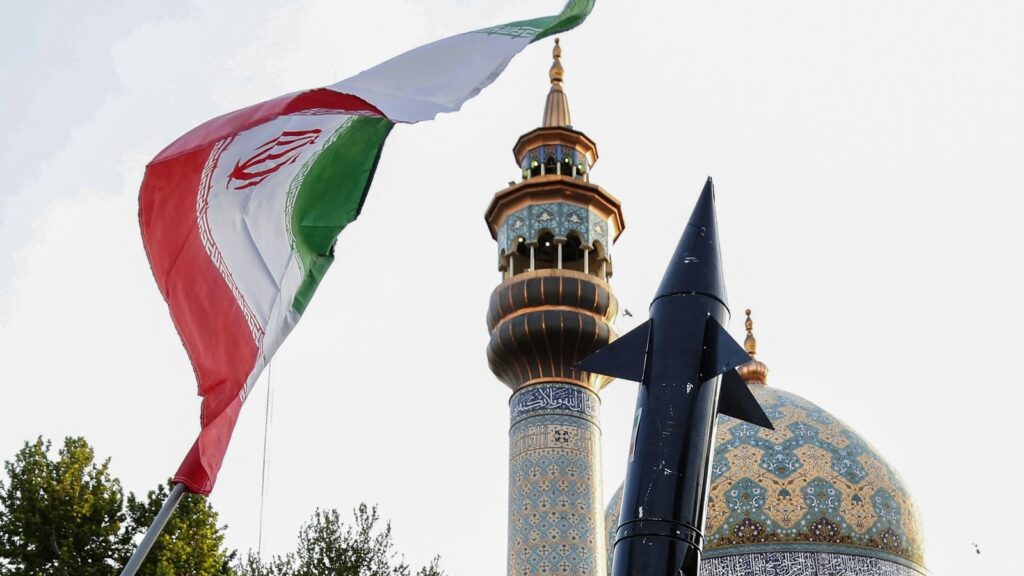
 Tel Aviv: Israelis awaited word on how Prime Minister Benjamin Netanyahu would respond to Iran’s first-ever direct attack as international pressure for restraint grew amid fears of an escalation of the conflict in the Middle East.
Netanyahu on Monday summoned his war cabinet for the second time in less than 24 hours to weigh a response to Iran’s weekend missile and drone attack, a government source said.
Military Chief of Staff Herzi Halevi said Israel would respond. He provided no details.
“This launch of so many missiles, cruise missiles, and drones into Israeli territory will be met with a response,” he said at the Nevatim Airbase in southern Israel, which sustained some damage in Saturday night’s attack.
The prospect of Israeli retaliation has alarmed many Iranians already enduring economic pain and tighter social and political controls since protests in 2022-23.
Iran launched the attack in retaliation for what it says was an April 1 Israeli airstrike on its embassy compound in Damascus, and signalled that it does not seek further escalation.
While the attack caused no deaths and limited damage, it has increased fears of open warfare between the long-time foes and fuelled concerns that violence rooted in the Gaza war is spreading.
U.S. President Joe Biden told Netanyahu at the weekend that the United States, which helped Israel blunt the Iranian attack, will not participate in an Israeli counter-strike.
White House national security spokesman John Kirby declined on Monday to say if Biden urged Netanyahu in talks on Saturday night to exercise restraint in responding to Iran.
“We don’t want to see a war with Iran. We don’t want to see a regional conflict,” Kirby told a briefing, adding that it was for Israel to decide “whether and how they’ll respond.”
U.S. Defense Secretary Lloyd Austin, in calls on Monday with counterparts in the Middle East and Europe, said “while the United States does not seek escalation, we will continue to defend Israel and U.S. personnel,” the Pentagon said.
Russia has refrained from publicly criticising its ally Iran but has also urged restraint.
“Further escalation is in no one’s interests,” Kremlin spokesman Dmitry Peskov said.
China said it believed Iran could “handle the situation well and spare the region further turmoil” while safeguarding its sovereignty and dignity.
Chinese Foreign Minister Wang Yi told his Iranian counterpart Hossein Amir-Abdollahian in a phone call on Monday that China also appreciated Iran’s emphasis on not targeting regional and neighbouring countries, according to the official Xinhua news agency on Tuesday.