


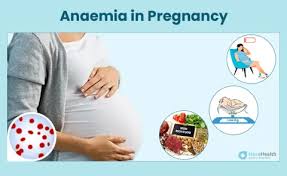
 Iron-deficiency anemia is one of the most common problems women face during pregnancy. As the baby and placenta grow, the body needs more iron to make extra blood. Without enough iron, it cannot produce the red blood cells and hemoglobin needed to carry oxygen.
“Many pregnant women feel tired, weak, dizzy, or short of breath. These can be signs of anemia. If ignored, it may lead to low birth weight, preterm delivery, or even postnatal depression,” says Dr. Sowmya Raghavan, Consultant Obstetrician & Gynaecologist, Apollo Cradle & Children’s Hospital, Chennai – Karapakkam.
Boosting Iron Through Food
There are two kinds of iron in food. Heme iron, found in meat, chicken, and fish, is absorbed more easily. Non-heme iron, present in spinach, beans, lentils, tofu, and whole grains, is also important but absorbed less efficiently.
“To improve absorption, pair iron-rich foods with vitamin C sources like oranges, tomatoes, or bell peppers. Avoid tea, coffee, or milk during meals as they reduce iron absorption,” explains Dr. Sowmya.
Supplements and Monitoring
During the second and third trimesters, diet alone may not be enough. That’s why doctors prescribe iron tablets.
“Most women do well with oral iron tablets like ferrous sulfate or gluconate. If they have nausea or constipation, we reduce the dose or give a slow-release version. In severe cases, intravenous iron helps restore levels quickly,” says Dr. Sowmya.
Prenatal vitamins usually contain folic acid and vitamin B12, which are also vital for red blood cell production. Regular blood tests to check hemoglobin and ferritin help in early detection and timely care.
“With proper diet, supplements, and monitoring, we can manage anemia effectively and ensure a healthy pregnancy and safe delivery,” Dr. Sowmya adds.