


Tehran, Apr 3:
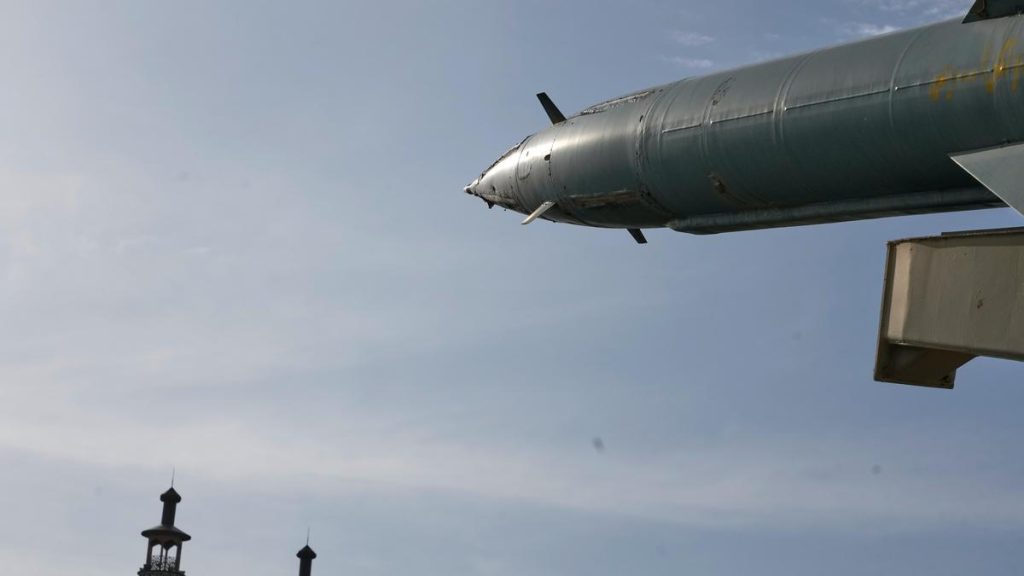
Iran launched fresh missile strikes on Israel and Gulf Arab states, signaling that it retains significant military capability despite claims by Donald Trump that the country’s threat has been largely neutralized.
Tehran dismissed these assertions, with military officials insisting that key weapons systems and production facilities remain intact and hidden.
Missile interceptions were reported across the region, including in Dubai, Israel, and Bahrain, highlighting the ongoing intensity of the conflict.
Iran’s most powerful advantage in the conflict has been its control over the Strait of Hormuz, a critical global oil transit route through which about 20% of the world’s traded oil passes during peacetime.
Iranian actions, including attacks on commercial ships and threats to maritime traffic, have effectively halted most movement through the strait, disrupting global energy supplies. This chokehold has amplified the war’s impact far beyond West Asia.
In response to the crisis, the United Kingdom is coordinating discussions with around 35 countries on how to safely reopen the strait once hostilities ease.
Participants include most G7 nations, along with Gulf states like the United Arab Emirates and Bahrain. While there is consensus on the need to restore shipping, no country has shown willingness to use force while the conflict continues.
Diplomatic solutions remain the preferred approach, though concerns persist that Iran could maintain restrictions even after fighting ends.
Trump has suggested that securing the strait could be achieved through force but emphasized it should not be led by the US. Instead, he urged oil-dependent nations to take action.
He also claimed that US strategic objectives in the conflict are nearing completion.