


By Sam Morris,
Chennai, May 15
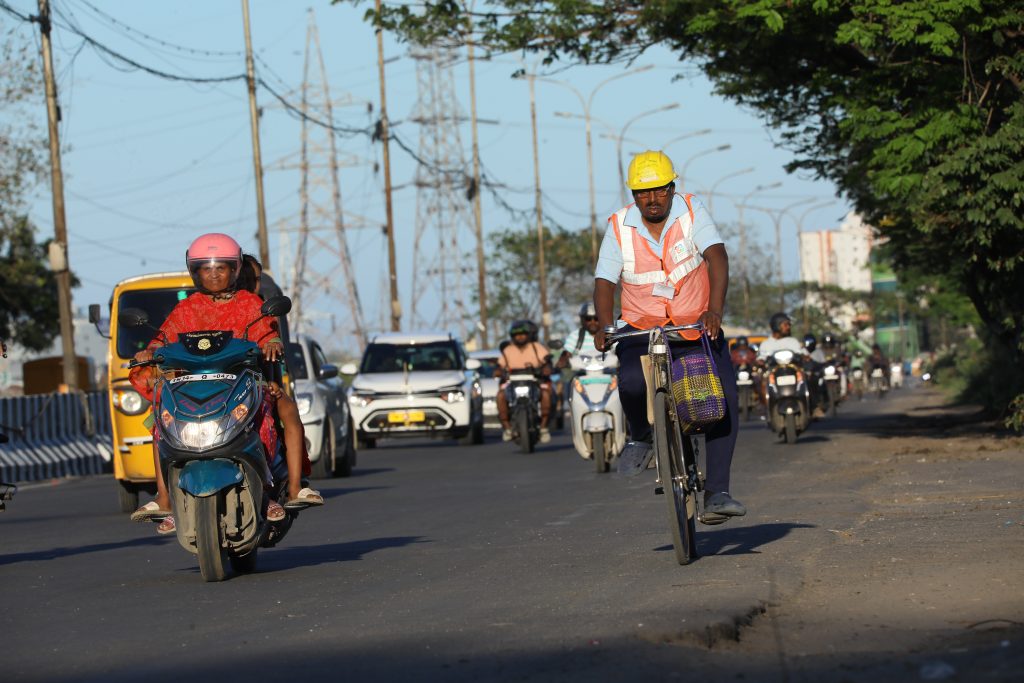
There was a time when the streets of Chennai echoed with the sound of bicycle bells instead of endless traffic horns. Cycles were once the backbone of daily life in the city. School students rode to class, workers pedalled to factories, milk vendors balanced cans on carriers, and newspaper boys raced through quiet streets before sunrise. Owning a bicycle was normal, practical, and respected.
Today, that culture has nearly disappeared.
Modern Chennai now wakes up to clogged roads, rising fuel prices, worsening pollution, and hours lost in traffic congestion. For even the shortest distance, people increasingly depend on motorcycles and cars. In the process, the bicycle, one of the cheapest, healthiest, and most environmentally friendly modes of transport, has slowly been pushed aside.
As governments continue urging citizens to reduce fuel consumption and protect the environment, perhaps the time has come to seriously ask whether cities like Chennai should bring back cycle culture in a larger and more organised way.
Cycling is no longer just a symbol of the past. Around the world, it is becoming a solution for the future. Bicycles consume no fuel, produce no direct pollution, reduce traffic congestion, and encourage healthier lifestyles. In crowded urban areas, cycling for short distances can often be faster and more practical than sitting in traffic for hours.
Unfortunately, Indian cities still remain largely unfriendly toward cyclists. Narrow roads, reckless driving, lack of dedicated cycle lanes, poor parking facilities, and safety concerns discourage people from choosing bicycles. Parents hesitate to allow children to cycle on busy roads, while office-goers often feel unsafe sharing roads with speeding vehicles.
Ironically, Chennai had already attempted to revive cycling culture through the SmartBike public bicycle-sharing project launched under the Smart City initiative in 2019. Smart docking stations were introduced in several parts of the city, allowing people to rent bicycles through a mobile application. At the time, the initiative was praised as a modern and eco-friendly step toward sustainable urban transport.
However, like many ambitious urban projects, the idea slowly lost momentum. Technical glitches, poor maintenance, damaged docking stations, lack of awareness, and inconsistent monitoring affected the system’s growth. In several places, the cycle stations gradually became inactive while traffic on the roads continued to worsen.
But the failure of one project should not mean the death of an entire idea.
Instead of abandoning cycling initiatives, Chennai must learn from its mistakes and create a stronger second-generation model. The city urgently needs safe and dedicated cycling lanes, better-maintained public bicycle systems, secure parking spaces, awareness campaigns in schools and colleges, and policies that encourage short-distance cycling. Metro stations, bus terminals, beaches, parks, and educational institutions could all be connected through cycling corridors.
More importantly, cycling must stop being viewed as outdated or inferior. In many developed countries, professionals, students, politicians, and even senior officials proudly use bicycles for daily travel. The bicycle represents not backwardness, but efficiency and responsibility.
At a time when climate change, fuel dependency, urban pollution, and health concerns are growing every year, Chennai has an opportunity to rethink its future. Reviving cycle culture is not about rejecting development; it is about choosing a smarter and more sustainable form of development.
The city once moved proudly on two wheels. Perhaps it is time for Chennai to pedal forward once again.