


Chennai, July 1:
In a significant political development, the Left parties in Tamil Nadu have reaffirmed their continued support to the ruling TVK government led by Chief Minister Joseph Vijay, while making it clear that they are not part of the ruling alliance.
Their statement comes amid ongoing political discussions and speculation surrounding the stability of the government.
Echoing the views earlier expressed by DMK leader M.K. Stalin that the TVK regime would not collapse, leaders of the Communist Party of India (CPI) and Communist Party of India (Marxist) [CPI(M)] stressed that their backing to the government remains intact. However, they maintained a clear distinction between offering issue-based support and formally being part of the coalition.
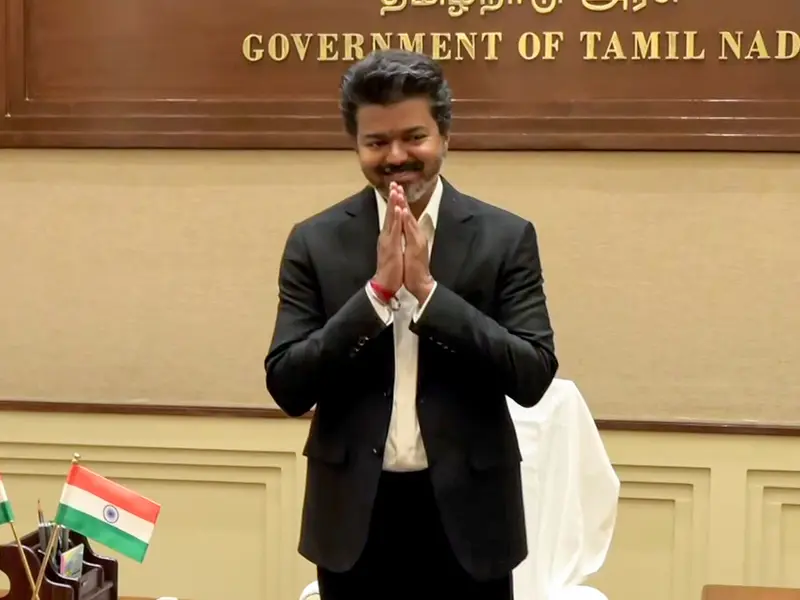
The development follows a meeting between Chief Minister Joseph Vijay and Left party leaders at the Tamil Nadu Secretariat on Wednesday morning. CPI(M) state secretary Shanmugam and CPI state secretary Veerapandian met the Chief Minister to discuss key policy concerns and political issues affecting the state.
Addressing reporters after the meeting, the Left leaders clarified their decision to abstain from the coalition leaders’ consultation meeting scheduled later in the day at a private resort in Mamallapuram.
They stated that since they are not members of the TVK alliance or government, their participation in such a meeting was not appropriate.
During their interaction with the Chief Minister, the Left parties raised several important demands. They emphasized the need for greater political consensus on sensitive issues such as the Cauvery water dispute.
The leaders urged the government to convene an all-party meeting before introducing or passing major resolutions, ensuring that decisions reflect a unified stance across the political spectrum.
The Left leaders also highlighted economic and employment concerns. They called on the state government to include more people-centric measures in the upcoming financial statement, reflecting public expectations and addressing socio-economic challenges.
A key demand was the complete abolition of the contract employment system in Tamil Nadu, which they argued adversely affects job security and workers’ rights.
While maintaining their supportive stance, the Left parties signaled that their backing would continue to be conditional on policy decisions and governance priorities.
Their approach indicates a strategy of constructive engagement—supporting the government where necessary while independently voicing concerns on public issues.
The meeting and subsequent statements underline the evolving political dynamics in Tamil Nadu, where issue-based support and strategic distancing are shaping alliances and governance.