


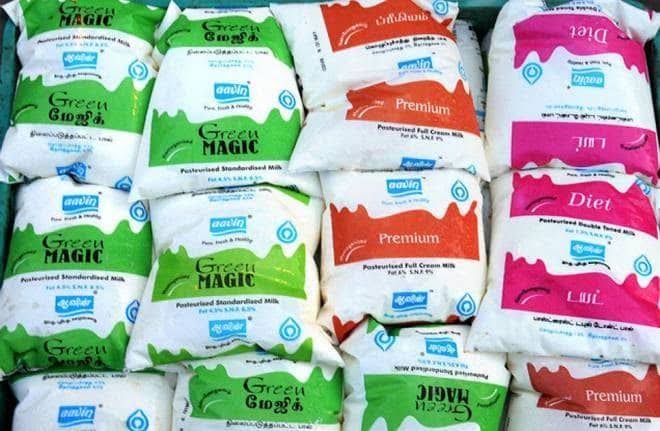

With growing concerns about plastic pollution, the Tamil Nadu Pollution Control Board (TNPCB) is exploring alternatives to plastic sachets used for milk distribution by the Tamil Nadu Cooperative Milk Producers Federation Limited (Aavin). This development follows a petition addressing the alleged mishandling of empty plastic sachets at Aavin’s Madhavaram Milk Colony facility.
Plastic sachets, widely used for distributing milk, have become a significant contributor to plastic pollution. The TNPCB has informed the southern bench of the National Green Tribunal (NGT) that it is actively researching feasible alternatives to these plastic sachets. The board is focused on reducing the environmental impact of plastic waste associated with milk distribution.
During a recent inspection of the Aavin facility, the TNPCB discovered several environmental issues. The inspection revealed that plastic waste, including broken tubs and damaged containers from milk powder, butter, ice cream, and buttermilk, was being improperly stored in open spaces. This waste amounted to approximately 150 metric tonnes.
The TNPCB found that plastic waste was generated from various sources, including primary packaging materials like plastic bags and cartons. The board also observed that the facility was using open storage areas for plastic waste, leading to potential environmental hazards.
In response to the inspection findings, the TNPCB has directed Aavin to adopt scientific waste management practices. This includes using closed sheds to prevent the dispersion of plastic waste and ensuring that waste is properly handled and disposed of. Aavin has since disposed of the accumulated plastic waste through Metal Steel Trade Corporation Limited and National Cooperative Dairy Federation of India Limited.
The TNPCB has assured the NGT that it is working diligently to complete its study on alternative packaging materials. The board aims to identify viable options that can replace plastic sachets and mitigate environmental impact.
As Aavin continues to manage its plastic waste issues, the focus will be on transitioning to more sustainable packaging solutions. The potential shift away from plastic sachets represents a crucial step in addressing the broader issue of plastic pollution in Tamil Nadu.
The investigation into alternative materials and improved waste management practices underscores the commitment of both the TNPCB and Aavin to environmental sustainability. The outcome of this study will be pivotal in determining how the dairy sector can adapt to reduce its ecological footprint while continuing to serve the needs of consumers.