


Chennai, Apr 17:
The year 2025 recorded the highest number of space launches since the beginning of the space age, according to the Indian Space Situational Awareness Report (ISSAR-2025) released by Indian Space Research Organisation Chairman V. Narayanan.
A total of 328 launch attempts were made globally, of which 315 were successful, placing 4,198 operational satellites in orbit and adding 4,651 objects to the space environment—marking a sharp rise compared to previous years.
The report highlighted rapid growth in space activity, with space object population increasing significantly from 2023 and 2024 levels. It also noted that India has launched 144 spacecraft since the start of its space programme, with 22 operational satellites in Low Earth Orbit and 31 in Geosynchronous Orbit. Key missions like Chandrayaan-2 Orbiter and Aditya-L1 continue to remain active, reflecting India’s expanding footprint in deep space exploration.
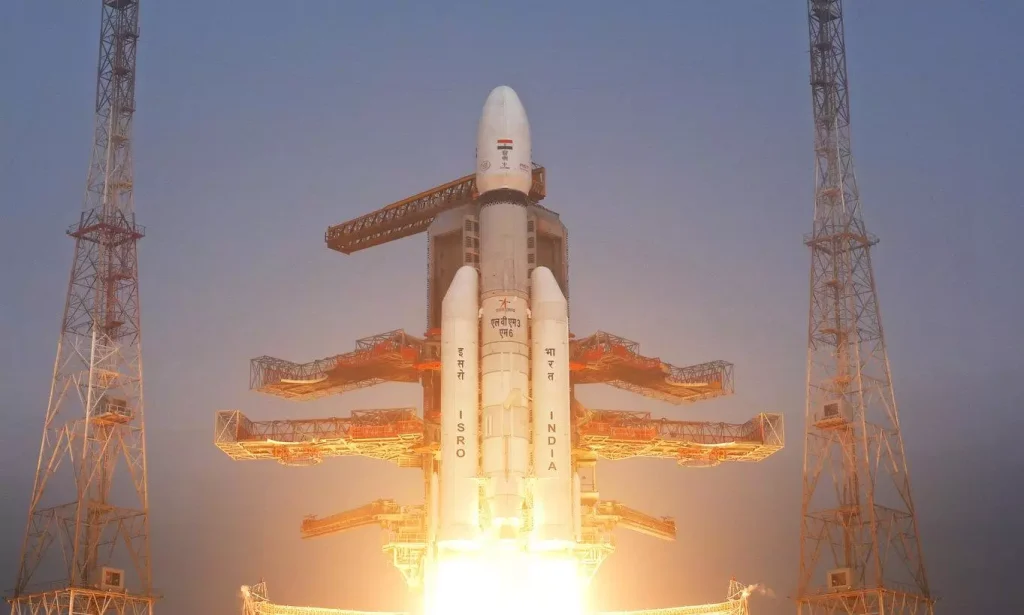
In 2025, India carried out five launches from Sriharikota, with most missions successfully placing payloads in orbit, though one PSLV mission faced a technical anomaly. Notably, the NISAR mission was successfully launched, strengthening international collaboration.
The report also highlighted increasing congestion in space, with over 1.5 lakh close-approach alerts analysed and multiple collision avoidance manoeuvres carried out to protect satellites.
The findings underline a rapidly evolving and crowded space environment, with growing satellite constellations and rising debris posing challenges. ISRO said efforts under its “Debris Free Space Mission” aim to ensure sustainable space operations by 2030, even as global space activity continues to accelerate at an unprecedented pace.