


Chennai, May 21:
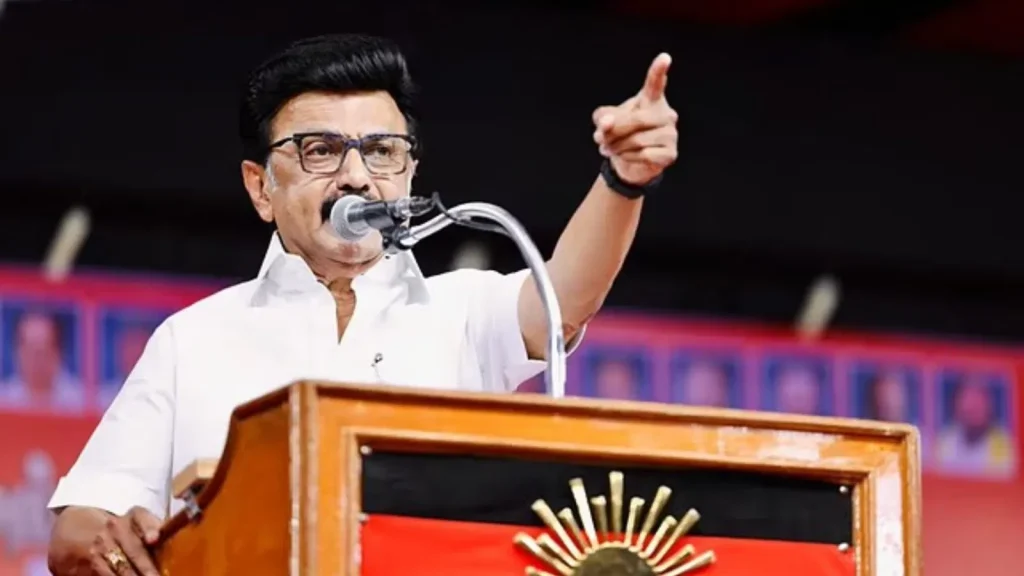
DMK president M.K. Stalin on Wednesday asserted that the party would emerge stronger following its recent electoral setback, emphasising that the Dravidian movement has historically turned defeats into opportunities for resurgence.
In a letter addressed to party cadre ahead of the birth anniversary of former Chief Minister M. Karunanidhi on June 3, Stalin said the DMK had imbibed key lessons from ‘Kalaignar’ — that victories should not breed arrogance and defeats should not lead to despair.
Recalling Karunanidhi’s political journey spanning over five decades after the demise of C.N. Annadurai, Stalin noted that the late leader had faced both triumphs and setbacks but never allowed the movement to lose momentum. “The DMK always returns to the field with greater speed after setbacks, like a ball rebounding off a wall,” he said.
Describing the DMK as a social justice movement committed to safeguarding Tamil identity and language, Stalin said the party had withstood betrayals, imprisonment of leaders, and repeated political challenges over the decades.
He maintained that the DMK continues to remain a decisive political force shaping the State’s direction and revealed that major organisational reforms are being planned following comprehensive internal reviews after the elections.
Stalin also called upon party cadre to celebrate Karunanidhi’s 103rd birth anniversary across Tamil Nadu with renewed vigour. He urged local units to hoist the party’s black-and-red flag, organise welfare assistance programmes for the underprivileged, and extend support to senior functionaries who had dedicated their lives to the movement.
Highlighting the growing role of young cadre in the digital space, Stalin encouraged party workers to actively share content on Karunanidhi’s achievements across social media platforms such as X, Instagram, YouTube, Facebook, and WhatsApp.
He described Karunanidhi as the architect of modern Tamil Nadu and credited him with pioneering contributions to information technology and digital development in the State, underscoring his lasting legacy in governance and social reform.