


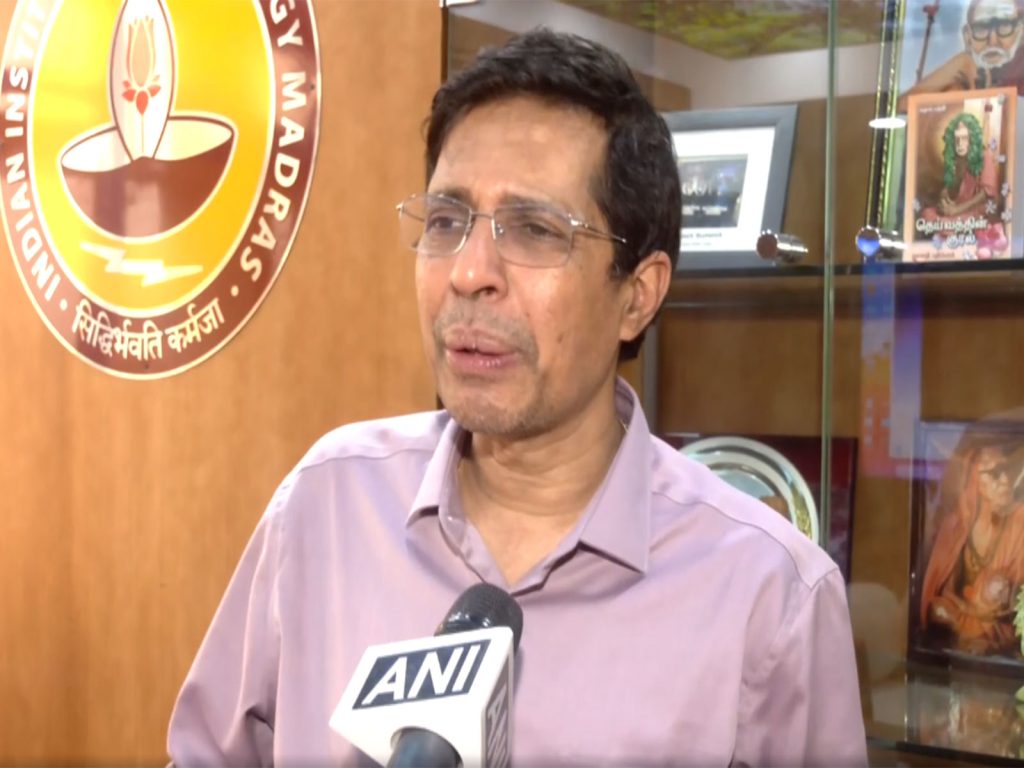
* Reform panel to Elensure transparency”: IITM Director Kamakoti
Chennai, July 28:
“The NEET question paper leak and the subsequent re-examination caused significant mental distress to students. Restoring trust and ensuring transparency in the examination process will be our top priority,” said IIT Madras Director V. Kamakoti, who is a member of the Centre’s newly constituted exam reform panel.
Addressing reporters at the IIT Madras campus in Guindy, Kamakoti said the panel—set up by the Union Government under the leadership of IT expert Nandan Nilekani—will work towards strengthening the integrity of competitive examinations such as NEET, JEE and CUET. He added that the committee is expected to submit its short-term recommendations by December.
Kamakoti noted that the credibility of NEET has come under serious scrutiny following repeated incidents of question paper leaks. “If a student secures a mark, they should clearly understand how they earned it. Question paper leaks are unacceptable,” he said, stressing the need for a fully transparent examination system.
Referring to the 2026 NEET controversy, he said the leak occurred at the question paper distribution stage, which was particularly concerning. The exam, originally held on May 3, had to be cancelled and reconducted in June, causing anxiety among lakhs of aspirants. Earlier, a similar leak in 2024 had also raised serious concerns about exam security.
Highlighting the scale of the challenge, Kamakoti pointed out that nearly 22 lakh students appear for NEET across India simultaneously. “Conducting such a massive exam in a single session is extremely complex. Even computer-based exams can handle only about three lakh candidates at a time,” he explained.
He said the panel will explore the use of advanced technologies, including Artificial Intelligence, to prevent leaks and monitor exam centres. While CCTV surveillance and control rooms are already in place, further technological interventions are being considered. However, he cautioned that human reliability remains a key factor. “No matter how much technology we use, the system ultimately depends on trustworthy individuals handling the process,” he added.
Kamakoti also referred to earlier reforms in JEE, including the introduction of Optical Response Sheet (ORS) systems, which enabled large-scale testing. He noted that while other countries conduct exams differently, India’s scale is unique and presents distinct challenges.
The committee is also examining structural reforms, including whether separate panels should be formed for major entrance exams like NEET, JEE and CUET. Public demand for stricter laws against malpractice is also under consideration, with the Centre planning to introduce tougher penalties for those involved in exam leaks.
“The trust in NEET has been shaken. This panel is committed to ensuring that future examinations are conducted with complete transparency and integrity,” Kamakoti said.
The Centre’s move to constitute the reform panel comes amid growing concerns over exam security and fairness, with stakeholders calling for urgent and systemic changes to restore confidence among students and parents.