


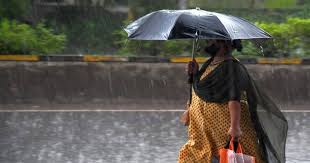

Ahead of the northeast monsoon, the Tamil Nadu State Health Department has directed district health officers to initiate comprehensive monsoon measures. These preparations aim to ensure hospital readiness and the availability of essential medical staff and supplies in the event of flooding or water stagnation. The instructions come as part of the state’s proactive efforts to mitigate health risks during the monsoon season.
Pre-Monsoon Preparations
As part of the preparations, district health authorities are instructed to ensure the 24/7 availability of healthcare personnel, especially when cyclone warnings or forecasts of heavy rainfall are issued. For immediate support in flood-prone and vulnerable low-lying areas, Rapid Medical Response Teams (RRT) are to be deployed. These teams will consist of a medical officer, staff nurse, village health nurses, and health inspectors, all equipped with essential medicines to provide timely care.
In collaboration with local bodies and district administrations, authorities must ensure hygienic food, safe drinking water, and sanitation facilities in all rescue shelters. The 108 ambulance services are to be kept on high alert, ready for deployment in flood-prone areas with sufficient fuel stock to avoid any service disruption.
Hospital Protocols During Monsoon
During periods of heavy rain, hospitals are expected to maintain strict protocols for mass-casualty triage. Adequate stocks of emergency medicines, intravenous fluids, vaccines, and beds should be prepared in advance to handle potential patient surges. In addition, surge capacity plans will be in place to ensure sufficient manpower and resources are available to cope with an influx of patients.
Hospitals are also required to ensure that essential services remain uninterrupted. This includes the provision of electricity through backup generators, with adequate fuel supplies to guarantee continuous power. An emergency response plan must be activated to ensure the continuity of hospital supply chains, maintaining access to necessary medical resources.
Monitoring Flood and Emergency Cases
In flood-affected areas, a medical team equipped to manage emergency cases will be stationed at every rescue shelter, providing basic medical care. The teams will have access to disinfectants and insecticides, enabling effective fogging operations to control vector-borne diseases in impacted regions.
Safe drinking water is a key focus, with joint efforts by district administrations and local bodies to ensure clean water availability. Super-chlorination will be conducted in flood-hit areas, and any suspected leaks or contamination in the water supply will be addressed immediately, with alternate protected sources provided if necessary.
To further protect public health, fogging and Indoor Residual Spraying (IRS) will be conducted in all flood-affected regions to control mosquito populations. Solid waste disposal and the handling of dead animals are to be prioritized, and facilities for the safe disposal of dead bodies will be identified and kept on standby.
Raising Public Awareness
Mass awareness activities will be conducted to educate the public on necessary precautions and emergency procedures during the monsoon season. The Health Department’s goal is to minimize health risks and ensure timely medical response, safeguarding the population from the potential hazards posed by floods and water stagnation.