

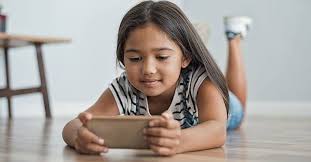
 Paediatricians and child psychologists in Chennai have raised concerns over excessive television viewing among children below seven years, warning that prolonged screen exposure can affect brain development, eyesight, sleep patterns, and social behaviour. Doctors say early childhood is a critical phase for cognitive, emotional, and physical growth, and excessive TV watching replaces essential activities such as play, conversation, and exploration. “For children under seven, the brain develops rapidly through real-world interaction. Passive screen viewing limits language development and attention span,” said Dr. R. Meenakshi, paediatric neurologist at a government hospital in Chennai. Parents across the city echo these concerns but admit controlling screen time is becoming increasingly difficult. “TV becomes an easy distraction in nuclear families where both parents work. But we noticed our five-year-old becoming irritable and less communicative,” said S. Karthik, a parent from Velachery, who has since restricted screen time to weekends. Child psychologists warn that excessive television exposure is also linked to behavioural issues. “Children who spend long hours watching TV show delayed speech, reduced social skills, and difficulty concentrating in school,” said Dr. Ananya Prasad, child psychologist, adding that children below seven should ideally have minimal to no screen time, as recommended by global health guidelines. From a Chennai perspective, doctors point out that urban lifestyles, apartment living, and limited outdoor play spaces are pushing children towards screens. “We must compensate by encouraging storytelling, reading, drawing, and physical play at home,” said Dr. Meenakshi. Experts advise parents to watch content with children when necessary, avoid screens during meals and before bedtime, and model healthy screen habits themselves. Health professionals stress that cutting down TV time is not about strict bans but about creatin
Doctors urge parents to cut screen tme for children
 By NT Bureau
🌐 Translate ▾
- Tamil
- Hindi
- Malayalam
- Kannada
- Telugu
Subscribe
Login
0 Comments
Oldest