


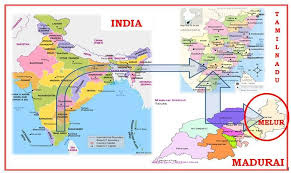
Constituency No. 188 | Madurai District | General
Melur lies on the eastern flank of Madurai district, where the plains of the Vaigai basin gradually rise toward rocky hill ranges and temple forests. Though quieter than the bustling Madurai city seats, Melur carries deep cultural and geographical significance. The constituency sits close to one of the most revered pilgrimage centres in southern Tamil Nadu — the hill shrine of Kallazhagar Temple, dedicated to Lord Vishnu as Azhagar.
Yes — Melur is closely connected to Kallazhagar. The temple lies within the Melur taluk region and the surrounding villages of the constituency form part of the pilgrimage landscape associated with the shrine. During the famous Chithirai festival of Madurai, when Lord Kallazhagar is believed to travel from the hills to the Vaigai river to bless devotees, large numbers of pilgrims move through the Melur region.
Thus Melur’s identity is inseparable from the sacred hills that dominate its northern horizon.
Kallazhagar Temple and Sacred Hills
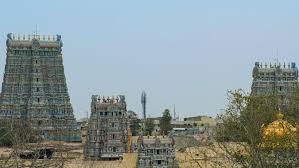
The Kallazhagar Temple stands amidst the forested slopes of the Alagar Hills, part of the eastern extension of the Western Ghats. The temple is one of the most celebrated Vishnu shrines of Tamil Nadu and is closely associated with the grand Chithirai festival of Madurai.
During the festival, the deity of Kallazhagar travels symbolically toward the Vaigai river to attend the celestial wedding of Meenakshi and Sundareswarar in Madurai. This ritual brings together Saivite and Vaishnavite traditions in one of the largest religious celebrations in the state.
Villages in the Melur region become part of the pilgrimage route during this period, with thousands of devotees passing through the countryside.
The hills surrounding the temple also support forests, streams and wildlife, adding natural beauty to the sacred landscape.
Granite Belt of Tamil Nadu
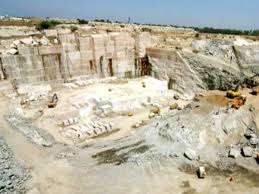
Melur is also widely known for its granite quarries, which form an important part of the local economy. The rocky terrain around the constituency contains high-quality granite used for construction and export.
Quarrying and stone processing provide employment to many residents of the region. Large blocks of granite extracted from the hills are transported to different parts of India and abroad.
While the industry contributes to economic growth, it has also generated debates over environmental management and land use in the area.
Granite therefore represents both opportunity and challenge for the constituency.
Agriculture on the Vaigai Plains
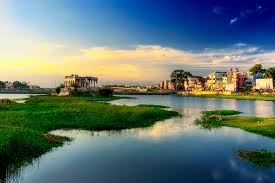
Despite its rocky hills, Melur also contains fertile agricultural pockets nourished by irrigation channels linked to the Vaigai river system. Farmers cultivate paddy, groundnut and pulses depending on seasonal rainfall and water availability.
Agriculture remains a crucial source of livelihood for many villages in the constituency. Livestock rearing supplements farm income, particularly in semi-arid areas where grazing lands are available.
The agricultural cycle continues to shape the rhythm of rural life across Melur.
Temples and Village Traditions
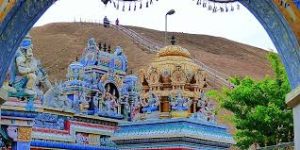
Beyond the famous Kallazhagar shrine, the Melur region contains numerous temples dedicated to Amman, Murugan and local guardian deities. Village temples serve as centres of community activity, hosting annual festivals that bring together residents from surrounding settlements.
One of the significant nearby shrines is the Yoga Narasimha Temple, located within the sacred hill complex associated with Kallazhagar.
These temples reflect the layered religious traditions that characterise the Madurai region, where mythology, devotion and local customs intertwine.
Temple festivals in Melur often include folk performances, music and community feasts.
Transport and Regional Link
Melur lies along the road connecting Madurai with Sivaganga and Karaikudi, making it an important regional corridor. Buses and goods vehicles move through the constituency carrying agricultural produce and construction materials.
This road network connects Melur with nearby towns and supports trade and travel across the district.
The constituency therefore functions as both a rural landscape and a transport link within southern Tamil Nadu.
Electoral Ledger:
Melur has seen competitive electoral contests reflecting the political dynamics of Madurai district.
2011
Winner: AIADMK candidate — around 91,000 votes
Second: DMK candidate — about 79,000 votes
Third: DMDK candidate — around 15,000 votes
Margin: about 12,000 votes
2016
Winner: AIADMK candidate — around 96,000 votes
Second: DMK candidate — around 88,000 votes
Third: PMK candidate — around 11,000 votes
Margin: about 8,000 votes
2021
Winner: DMK candidate — around 1,04,000 votes
Second: AIADMK candidate — around 92,000 votes
Third: NTK candidate — around 13,000 votes
Margin: about 12,000 votes
The seat often reflects the broader political mood across the Madurai region.
Civic and Development Concerns
Residents of Melur frequently raise several development priorities:
regulation and environmental management of granite quarrying
irrigation support for agriculture
road infrastructure linking villages with Madurai city
employment opportunities for rural youth
Balancing industrial activity with agricultural sustainability remains a key challenge.
Political Temperament
The electorate of Melur includes farmers, quarry workers, traders and small business owners. Political mobilisation often occurs through village networks and occupational communities.
Election campaigns frequently focus on employment, irrigation and infrastructure development.
Local leadership and accessibility often influence voter sentiment.
What Decides Melur
Three factors typically shape electoral outcomes:
Agriculture and irrigation
Farmers form a key voting bloc.
Granite industry
Economic activity linked to quarrying influences livelihoods.
Pilgrimage economy
The sacred landscape around Kallazhagar temple shapes cultural identity.
Melur voters therefore balance economic development with traditional values.
Closing Frame
At dawn the Alagar hills rise above the countryside as pilgrims climb the steps of Kallazhagar temple. In nearby villages farmers head toward their fields while trucks carry granite blocks along the highways.
Melur stands where sacred hills meet working landscapes — a constituency shaped by faith, stone and the enduring rhythms of rural life.
When Melur votes, the verdict reflects the voice of a region that bridges Madurai’s spiritual heritage and its modern economic realities.