


Moscow, Apr 28:
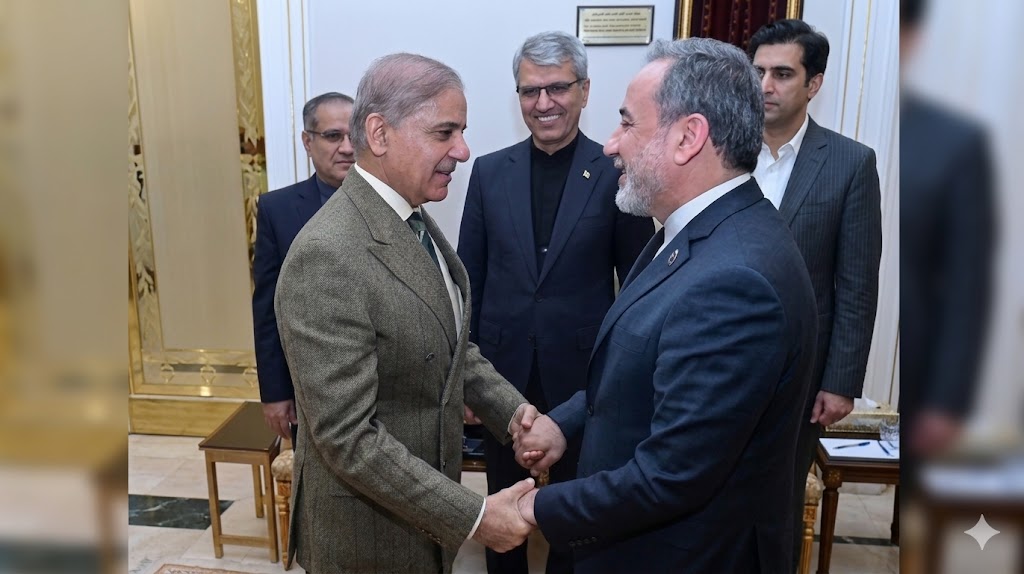
Iranian Foreign Minister Abbas Araghchi described his recent visit to Islamabad as “very productive” after arriving in Russia on Monday, highlighting ongoing diplomatic efforts amid uncertainty over peace talks related to the West Asia conflict.
Speaking upon arrival in St. Petersburg, Araghchi said he held “good consultations” with Pakistan’s leadership and discussed the future direction and conditions for negotiations.
This marked his second visit to Pakistan within three days, during which he met Army Chief Asim Munir. Araghchi emphasized that the discussions helped assess recent developments in negotiations, particularly those involving the United States.
While noting some progress in earlier rounds of US-Iran talks, he criticized Washington’s approach, citing excessive demands and flawed strategies as key reasons for the lack of a breakthrough.
According to Iran’s official news agency, Araghchi said consultations with Pakistan were necessary to review the latest situation and coordinate positions.
He also stressed that cooperation between Iran and Pakistan would be significant in addressing the ongoing conflict, including what he described as a US-Israeli war against Iran.
After arriving in Russia, Araghchi was received by officials and Iran’s ambassador, and is expected to meet President Vladimir Putin.
His regional diplomatic tour also included a visit to Oman, where he held talks with Sultan Haitham bin Tariq on security in the Strait of Hormuz and efforts to end the conflict.
Meanwhile, US President Donald Trump canceled plans to send envoys Steve Witkoff and Jared Kushner to Islamabad, asserting that the US holds the upper hand.
Trump later suggested that talks could continue via phone and extended a ceasefire with Iran indefinitely to allow more time for a unified proposal.
The conflict began on February 28 following joint US-Israeli strikes on Iran, which reportedly killed Supreme Leader Ali Khamenei and senior commanders.
Iran’s retaliation expanded the conflict across the Gulf region, intensifying the urgency of diplomatic efforts.