


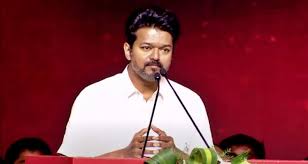
 Tamilaga Vettri Kazhagam (TVK), a political party in Tamil Nadu, has filed a petition in the Chennai High Court challenging the guidelines issued by the State Government for regulating political gatherings, claiming that the new rules unfairly affect unrecognised parties.
 The guidelines, released on January 5, contain a set of conditions that organisers of political meetings, rallies and public events must follow. These include requirements such as allowing volunteers to enter only two hours before a meeting starts, reserving special seating for senior citizens, pregnant women and persons with disabilities, and restricting the crowd size to no more than 50% above the permitted number. The rules also mandate that event hosts ensure drinking water, toilets, first-aid and ambulance services are available, and that applications to hold meetings be submitted at least 10 days in advance.
TVK’s Deputy General Secretary, Nirmalkumar, filed the petition on behalf of the party, arguing that the government-issued guidelines are impossible for many political parties to follow, especially those that are not officially recognised. The petition states that the conditions give priority to recognised parties and put smaller or newer parties at a disadvantage, effectively restricting their ability to organise meetings and engage with the public.
The TVK, founded by actor-turned-politician Vijay, has been actively campaigning across the state ahead of the upcoming 2026 Tamil Nadu Assembly elections. The party argues that the new guidelines will hinder its outreach efforts and limit its political activities, making it difficult to meet supporters and contest on an equal footing with larger parties.
In its petition, TVK has asked the High Court to strike down or modify the guidelines, asserting that they are arbitrary and discriminatory. The matter is expected to be heard by the court in the coming days.
The issue of regulating political rallies and meetings gained prominence after a tragic stampede during a TVK event in Karur last year, which prompted the High Court to order the creation of standard procedures for public gatherings to ensure safety.