


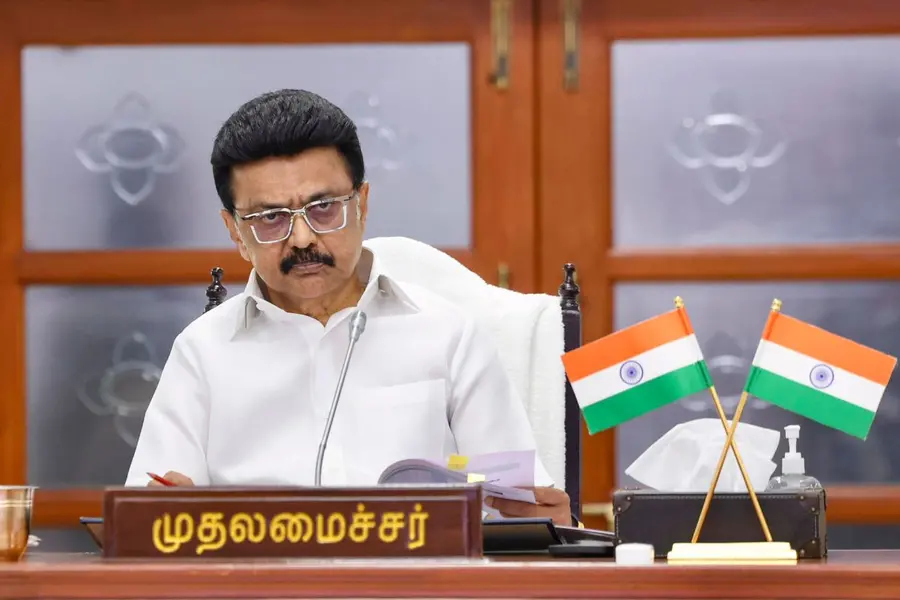
The Dravida Munnetra Kazhagam (DMK) is gearing up to formally release its 2026 Assembly election manifesto in the coming weeks, with Chief Minister and party president M. K. Stalin describing it as a “vision‑oriented” roadmap for what he calls the “Dravidian Model 2.0” of governance.
The manifesto is being finalised after an extensive public‑consultation drive, during which the party has crowdsourced ideas from farmers, workers, women, teachers, youth and professionals across Tamil Nadu.
As part of the exercise, the DMK has launched the “Ungal Kanavai Sollungal” (Tell us your dreams) initiative, under which district‑level meetings and interactive sessions are being held to record people’s expectations.
At the same time, a dedicated DMK Election Manifesto Portal 2026 has been created at the party headquarters in Chennai, allowing citizens to submit suggestions via email, WhatsApp and social media; party officials say inputs from this portal will be analysed with AI‑based tools to crystallise policy priorities.
Early indications from the manifesto‑drafting committee suggest that the 2026 document will emphasise social justice, welfare expansion, decentralisation, women’s empowerment, and protection of Tamil Nadu’s autonomy vis‑à‑vis the Centre.
Among the flagship expectations already flagged are continuation and expansion of existing pension and welfare schemes, affordable power tariffs for farmers and small industries, and stronger support for education and healthcare.
With the 234‑member Tamil Nadu Assembly expected to go to the polls in the first half of 2026, the DMK is using the manifesto‑preparation phase to position itself against the BJP–AIADMK alliance.
Party leaders have repeatedly argued that the new manifesto will not repeat “recycled promises” from the past, but instead offer a fresh, people‑centred agenda that cements the Dravidian model as a progressive alternative to “centralising” politics.