


Chennai, May 6:
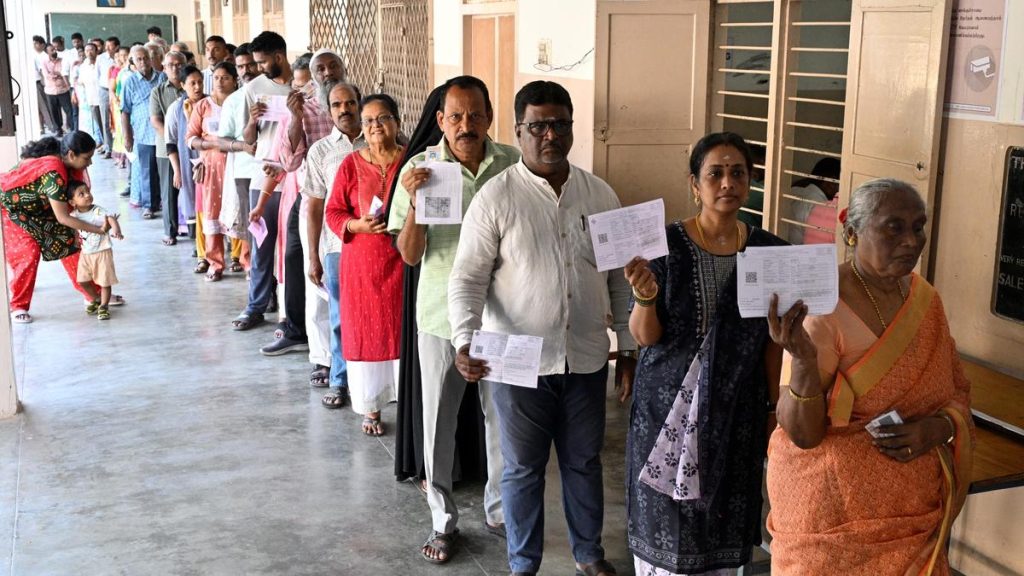
In every election season, slogans like “Every Vote Counts” echo across the country, yet many voters remain unconvinced about the power of their single vote.
The 2026 Tamil Nadu Assembly elections have delivered a striking reminder that one vote can be decisive. In a dramatic outcome from the Tirupattur constituency in Sivaganga district, former DMK Minister K R Periyakaruppan lost by just one vote to Srinivasan of the Tamilaga Vettri Kazhagam (TVK), the party founded by actor-turned-politician Vijay. The final tally—83,374 to 83,375—not only ended the electoral hopes of an experienced leader but also symbolised the rise of a new political force in the state.
This razor-thin margin is not without precedent. Indian political history has seen moments where a solitary vote altered the course of governance, most notably in 1999 when the government led by Atal Bihari Vajpayee fell after losing a no-confidence motion in the Lok Sabha by a single vote, following the withdrawal of support by J. Jayalalithaa.
Such instances underline how fragile political power can be and how even the smallest numerical difference can have far-reaching consequences.
Beyond immediate outcomes, a single vote contributes to a broader democratic chain reaction. Elections determine governments, and governments shape policies on employment, education, prices, and welfare, affecting millions of lives. In tightly contested constituencies, one vote can tilt the balance of power, influencing not just representation but also governance. Reacting to the Tirupattur result, Udhayanidhi Stalin indicated that legal options may be explored, reflecting the significance of such a narrow defeat in a changing political landscape.
Interestingly, the idea of one vote shaping outcomes has also been explored in popular culture. In Sarkar, Vijay’s character fights to reclaim his right to vote after discovering it was fraudulently cast, turning a single vote into a powerful symbol of accountability and citizen action. What was once a cinematic message now finds resonance in real-life politics, reinforcing the idea that democracy depends not just on leaders but on active participation by citizens.
Ultimately, the Tirupattur result stands as a powerful reminder that democracy often turns on the smallest margins. One vote may seem insignificant in isolation, but in reality, it can decide leaders, influence policies, and even alter the course of history.