


Dhaka, June 8:
A court in Bangladesh on Sunday sentenced a husband and wife to death for the rape and murder of an eight-year-old girl in a case that prosecutors described as the fastest murder trial in the country’s history.
The verdict was delivered by the Dhaka Metropolitan Child Repression Prevention Tribunal just 19 days after the crime and after only five days of hearings.
Judge Masrur Salekin sentenced Sohel Rana and his wife, Swapnaa Khatun, to death and imposed fines of Tk 5 lakh and Tk 2 lakh, respectively.
The court directed that the compensation be paid to the victim’s family and stated that the convicts’ properties could be confiscated and auctioned if the fines were not paid.
The judge declared that the pair would be executed by hanging, subject to the legal process.
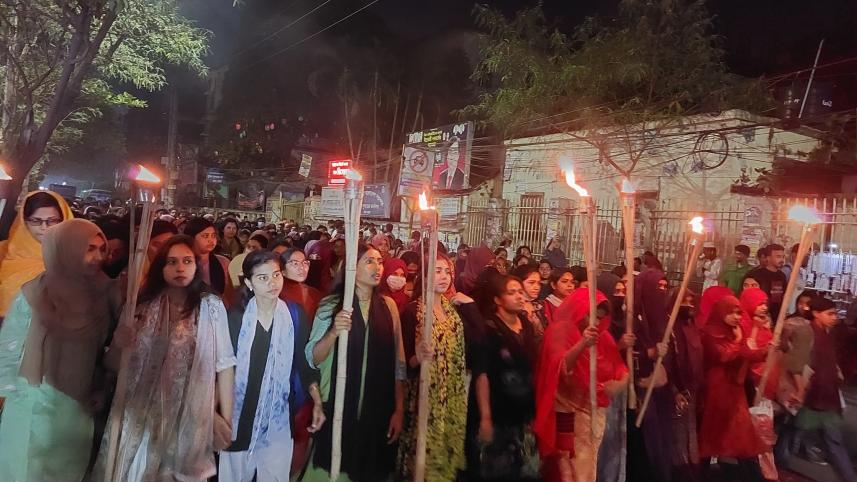
The case shocked the nation and sparked widespread outrage over violence against women and children. According to investigators, the girl’s dismembered body was recovered from the couple’s apartment in Dhaka’s Pallabi area on May 19.
Police said she was killed earlier that day and that Rana allegedly dismembered the body before fleeing. Khatun was arrested at the apartment, while Rana was captured later in Fatullah, near Narayanganj. Authorities said Rana subsequently confessed before a court.
No private lawyer agreed to defend the accused, leading the court to appoint a state lawyer. The defence sought life imprisonment for Rana and a lesser sentence for Khatun, but the court rejected the plea.
The victim’s father expressed satisfaction with the verdict, while Special Public Prosecutor Azizur Rahman Dulu said justice had been served.
Under Bangladeshi law, death sentences must be reviewed and confirmed by the High Court before they can be carried out.
Attorney General Ruhul Quddus Kazal said efforts would be made to ensure a swift hearing, while Law Minister Mohammad Asaduzzaman expressed hope that all review and appeal proceedings could be completed within three months.
The case has drawn attention to concerns over child abuse and sexual violence in Bangladesh, where studies indicate low conviction rates in such offences despite growing public concern.