


Beijing, June 16:
China on Monday welcomed the understanding reached between the United States and Iran to end the conflict in West Asia and called for the swift reopening of the Strait of Hormuz, a crucial shipping route for global energy supplies and international trade.
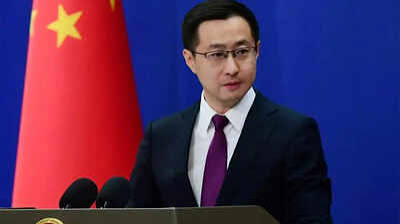
Addressing a media briefing, Chinese Foreign Ministry spokesperson Lin Jian said Beijing hopes the agreement will be signed according to the agreed timetable and that all parties will remain committed to resolving disputes through dialogue and negotiation. He also praised Pakistan’s role in facilitating talks and said China was ready to work with the international community to help restore peace and stability in West Asia and the Gulf region.
Commenting on the Strait of Hormuz, Lin said the waterway is of vital importance to regional countries and the broader international community. He noted that the memorandum of understanding reached between Washington and Tehran includes provisions for reopening the strait and expressed hope that it would soon be safe for unrestricted navigation. China, he added, will continue to maintain communication with regional governments and international partners on issues related to maritime security and regional stability.
The remarks came after US President Donald Trump announced that Washington and Iran had finalised a deal to end their 107-day conflict, which had disrupted global energy markets and heightened geopolitical tensions.
Trump described the agreement as complete and said it would lead to the reopening of the Strait of Hormuz and the removal of the US naval blockade, steps expected to ease pressure on global oil supplies.
According to Pakistani Prime Minister Shehbaz Sharif, the agreement is scheduled to be formally signed in Switzerland on June 19. Pakistan and Qatar played key mediation roles in the negotiations, initially helping secure a two-week ceasefire on April 8. The truce was later extended to allow talks to continue.
The conflict began on February 28 following US and Israeli strikes on Iran that reportedly killed Supreme Leader Ali Khamenei and several senior commanders. The resulting hostilities triggered regional instability and a global energy crisis. China’s support for the agreement reflects broader international efforts to promote peace, regional security and economic stability.