


Toronto, June 26:
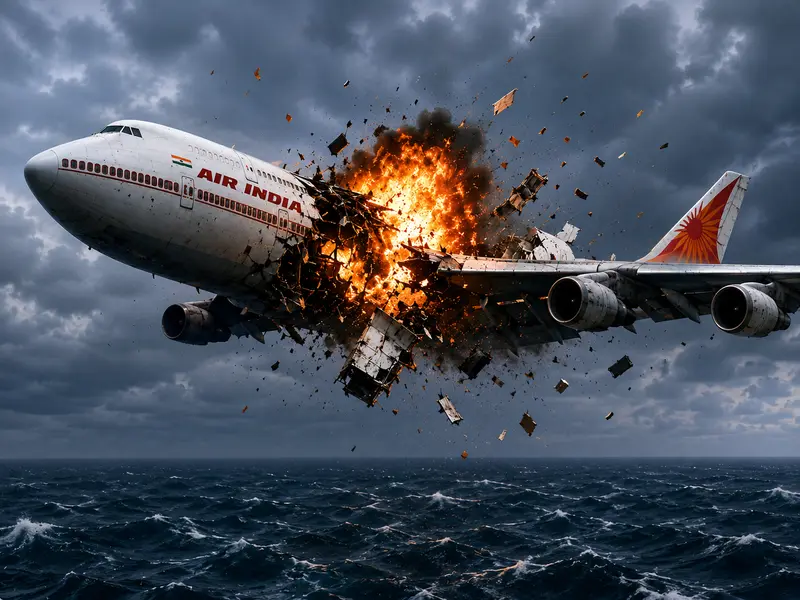
Canada is once again confronting the legacy of the 1985 Air India Flight 182 bombing, after fresh disclosures highlighted concerns over past handling of Khalistani extremism within the country.
According to a recent report, Canada’s intelligence agency, Canadian Security Intelligence Service, had gathered significant intelligence around Khalistani extremist networks before the bombing but faced criticism over how that information was used. The attack, which killed all 329 people on board—most of them Canadian citizens of Indian origin—remains the deadliest act of aviation terrorism before 9/11.
The report has reignited debate in Canada over national security policies, intelligence-sharing gaps, and the handling of extremist threats. It also raises questions about whether more decisive action at the time could have prevented the tragedy.
The bombing, linked to Canada-based Khalistani extremists, continues to cast a long shadow over Canada-India relations. Authorities and policymakers are now under renewed pressure to ensure stronger counter-extremism measures and avoid repeating past lapses.
The issue has also taken on contemporary relevance amid ongoing diplomatic sensitivities between India and Canada, with both nations closely watching how concerns around extremism are addressed going forward.