


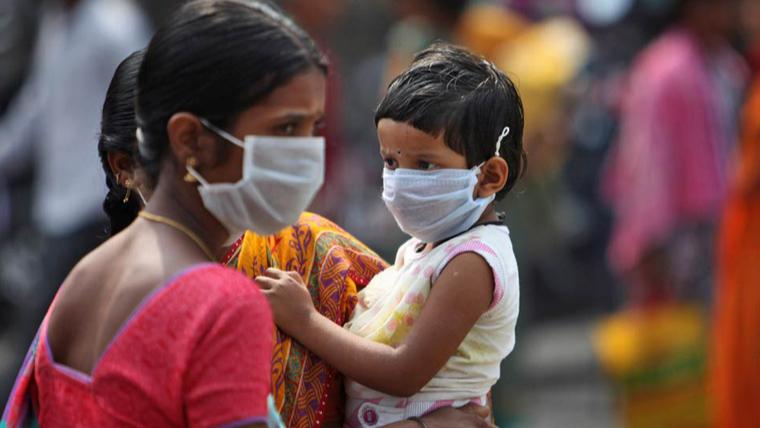
Chennai, Aug. 27:
The Tamil Nadu government has intensified surveillance and testing for H1N1 influenza, commonly known as swine flu, following a rise in reported cases, while assuring the public that there is no need for panic.
According to the Health and Family Welfare Department, the number of reported cases in the State has increased from 19 in January to 339 at present, prompting health authorities to strengthen monitoring and issue precautionary advisories.
Health officials said the increase in cases should be treated seriously, but stressed that public awareness, early medical consultation and timely treatment can help prevent complications.
Swine flu is a respiratory infection caused by the H1N1 influenza virus. While the infection was initially associated with pigs, the virus can spread from person to person, particularly through respiratory droplets and close contact.
The Health Department has advised the public not to ignore symptoms associated with influenza. People experiencing sudden or high fever, persistent cough, sore throat, body ache, muscle pain, joint pain, headache, severe fatigue or shivering have been urged to consult a doctor or visit a hospital without delay.
Officials said early medical attention is particularly important for vulnerable sections of the population.
Children, senior citizens, pregnant women and people with underlying health conditions are at greater risk of developing complications from influenza. Those with weakened immunity have also been advised to take additional precautions and seek medical advice promptly if they develop flu-like symptoms.
The current rise in Tamil Nadu comes at a time when several other States are also reporting an increase in influenza cases.
The government has stepped up testing and surveillance to monitor the spread of the infection and identify clusters at an early stage.
Health authorities have urged the public to follow basic precautions, including maintaining respiratory hygiene, avoiding unnecessary close contact when symptomatic and seeking medical help instead of self-medicating.
The department reiterated that there was no reason for alarm but said vigilance was essential. With the number of reported cases rising significantly from the beginning of the year, officials have appealed to people to remain alert, recognise symptoms early and cooperate with public health measures.