


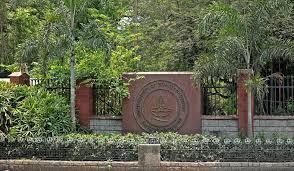
 A comprehensive study conducted by the Indian Institute of Technology Madras (IIT Madras) in association with the Tamil Nadu Pollution Control Board (TNPCB) has revealed that noise levels in several parts of Chennai frequently exceed the limits prescribed by pollution control authorities. The findings have raised fresh concerns about the growing problem of urban noise pollution in the city.
According to the study, sound levels in both residential and commercial zones regularly crossed permissible decibel limits. Alarmingly, nighttime noise levels were found to be particularly high in traffic-dense and mixed-use areas, disrupting the expected quiet hours. Continuous monitoring indicated that the city is experiencing sustained exposure to elevated noise levels rather than occasional spikes.
Researchers identified major contributors to the pollution
include vehicular traffic, frequent honking, ongoing construction activities, and dense commercial operations. The study pointed out that noise pollution in Chennai is not confined to peak traffic hours but remains a persistent issue across multiple zones throughout the day and night.
Health experts associated with the findings warned that prolonged exposure to high noise levels can have serious consequences. These include sleep disturbances, increased stress and anxiety, hearing impairment, hypertension, cardiovascular complications, and a decline in overall quality of life. Residents living near busy roads and commercial hubs are particularly vulnerable to these risks.
The study recommends strengthening real-time noise monitoring systems and ensuring stricter enforcement of permissible decibel limits. It also calls for improved urban planning and zoning regulations, along with public awareness campaigns promoting responsible honking and controlled sound usage.
With Chennai continuing to expand rapidly, experts stress that proactive and sustained noise management measures are essential to protect public health and maintain livable urban conditions.