


Tehran, Apr 20:
Iran is not ready to resume direct talks with the United States, with Deputy Foreign Minister Saeed Khatibzadeh blaming Washington’s “maximalist” demands for the delay. Speaking on the sidelines of a diplomacy forum in Turkiye, he said negotiations cannot move to face-to-face meetings until the US softens its stance on key unresolved issues.
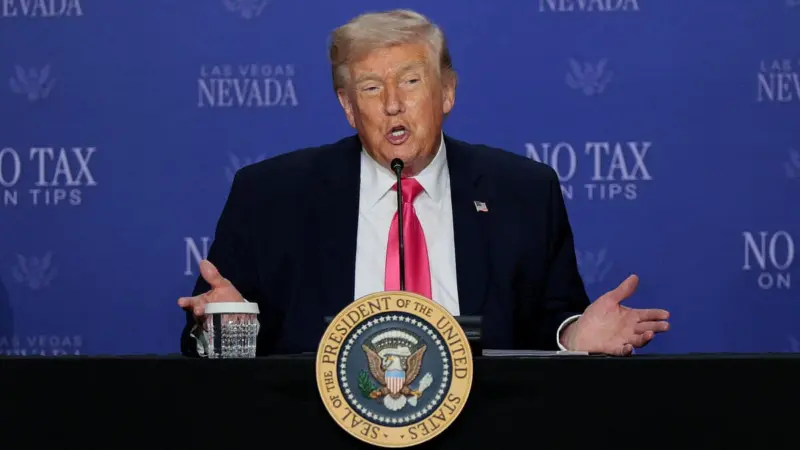
Khatibzadeh firmly rejected US demands regarding Iran’s nuclear program, stating that Tehran will not transfer its enriched uranium abroad under any circumstances. His remarks directly counter claims by US President Donald Trump, who recently suggested the US could seize nuclear material from Iran. According to Khatibzadeh, such proposals are “non-starters,” though Iran remains open to addressing concerns within reasonable limits.
While acknowledging ongoing indirect communication between the two sides, Khatibzadeh said Iran seeks a finalized “framework agreement” before committing to in-person negotiations. He emphasized that major disagreements persist, particularly over US sanctions, which Iran considers illegal and economically damaging. He described the sanctions as a form of “economic terrorism” aimed at destabilizing the country.
On regional tensions, Khatibzadeh reiterated Iran’s position that its actions are defensive. He warned that Iran would respond decisively to any renewed Israeli attacks, especially in Lebanon, where conflict with Hezbollah has been ongoing. He also stressed that any ceasefire agreement should include Lebanon—an interpretation disputed by Israel and later the United States.
Recent developments have further complicated the situation. Israeli airstrikes on Beirut prompted Iran to temporarily close the Strait of Hormuz, though it later reopened following a truce in Lebanon. Khatibzadeh indicated that a new protocol for the strait could emerge as part of future negotiations, ensuring safe civilian passage.
Meanwhile, the US maintains its blockade and has warned of renewed military action if no agreement is reached. With tensions high and positions far apart, prospects for immediate diplomatic progress remain uncertain.